Why Art Matters and Why It Is a Human Necessity
After reading What Art Does by Brian Eno and Bette Adriaanse, I began thinking about art not as a cultural luxury, but as a human necessity, and why it is so rarely included in conversations about basic needs like food, clothing, and shelter.
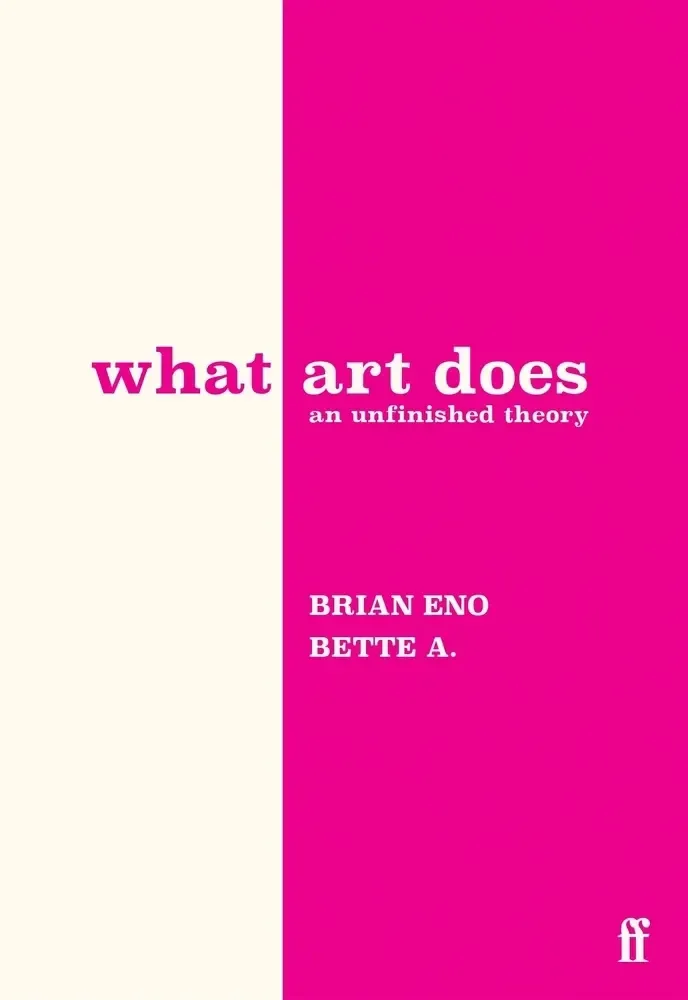
The book explores how art is not just a cultural add-on but a vital, sensory way of engaging with the world. That idea stuck with me. If art shapes how we perceive, connect, and innovate, why isn’t it considered essential in the same way food, clothing, and shelter are?
Ask anyone what the necessities of life are, and you’ll likely hear the same trio: food, clothing, and shelter. These are the foundational elements of human survival; tangible, measurable, non-negotiable. But lurking beneath each of these is something we rarely include in the conversation, though it’s woven into every one of them: Art.
Not just “art” in the traditional sense; paintings, galleries, and museums, but the broader spectrum of human creativity. Design. Expression. Aesthetic choice. Innovation. Without art, there is no architecture, no fashion, no culinary tradition, no meaningful communication. In fact, without art, we wouldn’t even know how to communicate that food, clothing, and shelter are important.
So why don’t we talk about art the same way?
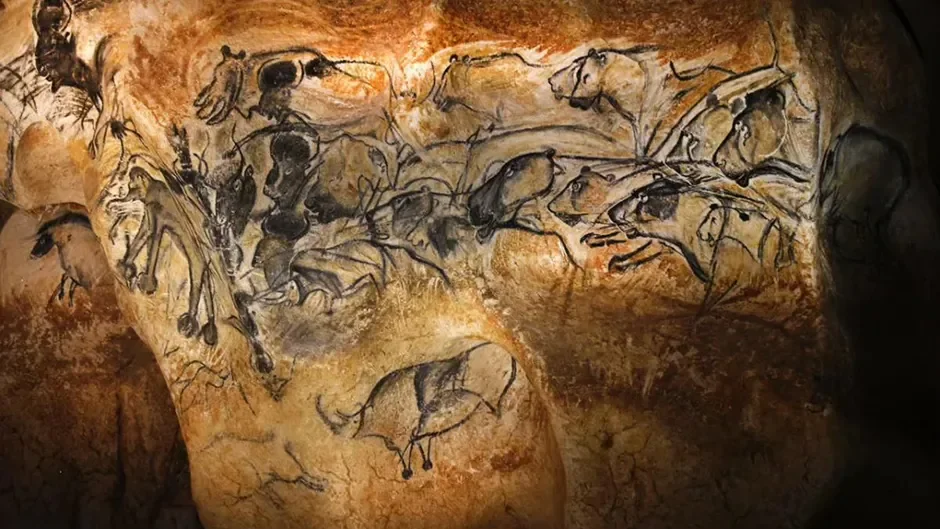
Cave paintings of lions hunting bison in the End Chamber of Chauvet–Pont d'Arc, Ardèche, France, estimated to be 36,000 years old.
Survival is Designed
Let’s start with shelter. Every human-made structure, from ancient mud huts to towering glass skyscrapers, is an act of design. Architecture, one of the oldest and most respected art forms, doesn’t just provide protection, it reflects intention, culture, and identity. Even the earliest humans chose to draw and paint in their caves. They didn’t just survive inside them, they lived.
Clothing? The same. We dress for function, but also for identity, status, beauty. Textiles carry culture. Embroidery tells stories. The pattern on a child’s blanket, the fabric on a ceremonial robe, these are not random. They are art in wearable form.
And food? The act of cooking, plating, and seasoning is deeply creative. Recipes are inventions. Flavors are layered. Every dish tells a story, whether it’s passed down through generations or posted on Instagram. The kitchen, much like the painter’s studio, is a place of experimentation, expression, and craft.
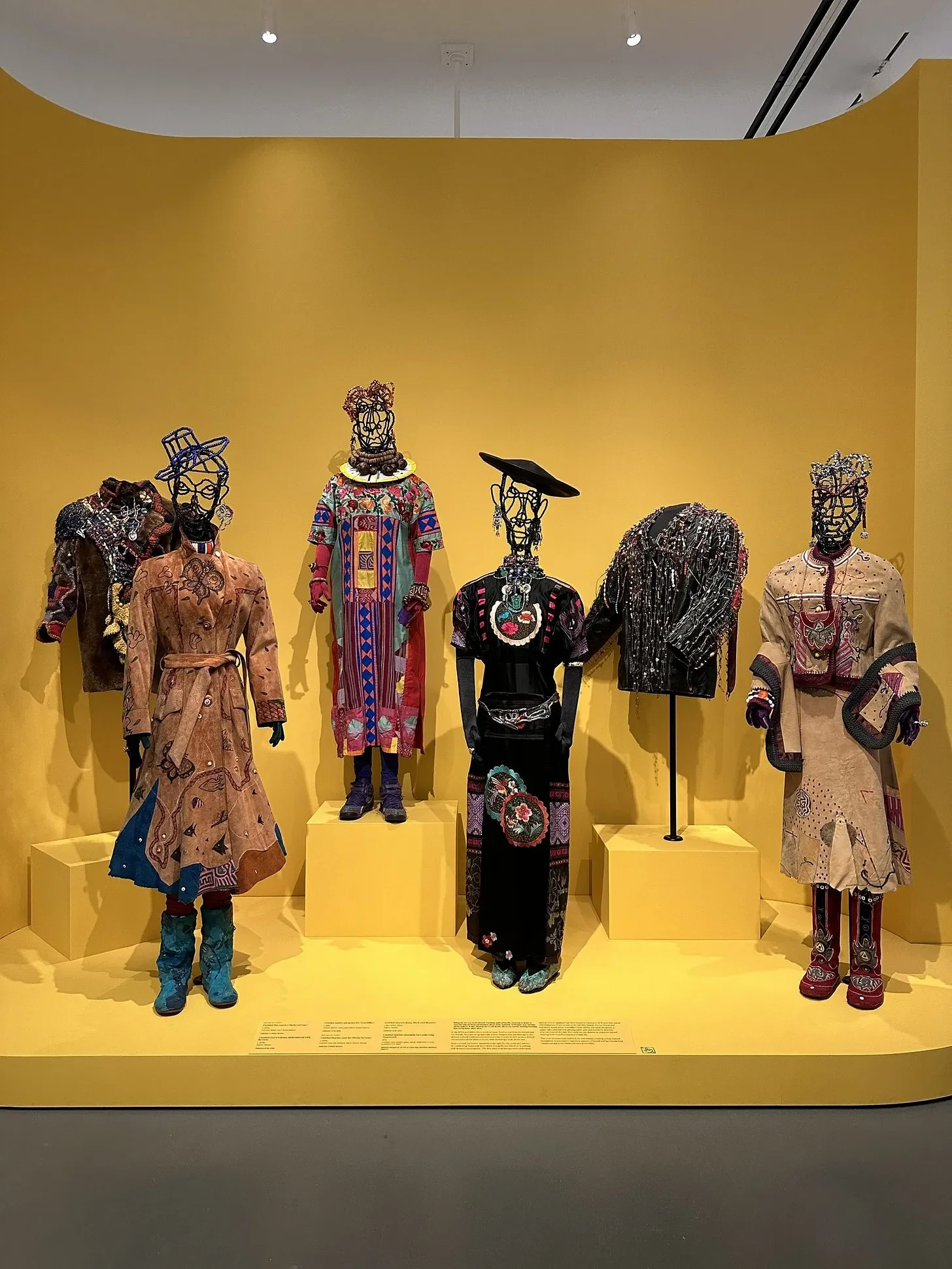
Collection of handmade pieces from Joyce J. Scott
In the 1970s and 1980s, Joyce J. Scott made artwear, head-to-toe looks for herself and her friends. Incorporating materials and techniques that pay homage to the diverse cultural traditions encountered in her travels, Scott's artwear invited conversation about these sources, while inventing a style all her own.
No Communication Without Art
Long before we wrote anything down, we told stories through symbols and drawings. The earliest forms of language were visual, etched into stone, painted on walls, shaped by hands in clay. Every alphabet was designed. Every musical scale was discovered. Every spoken word is, at its heart, an abstract sound charged with symbolic meaning.
We do not communicate without art. We communicate through it
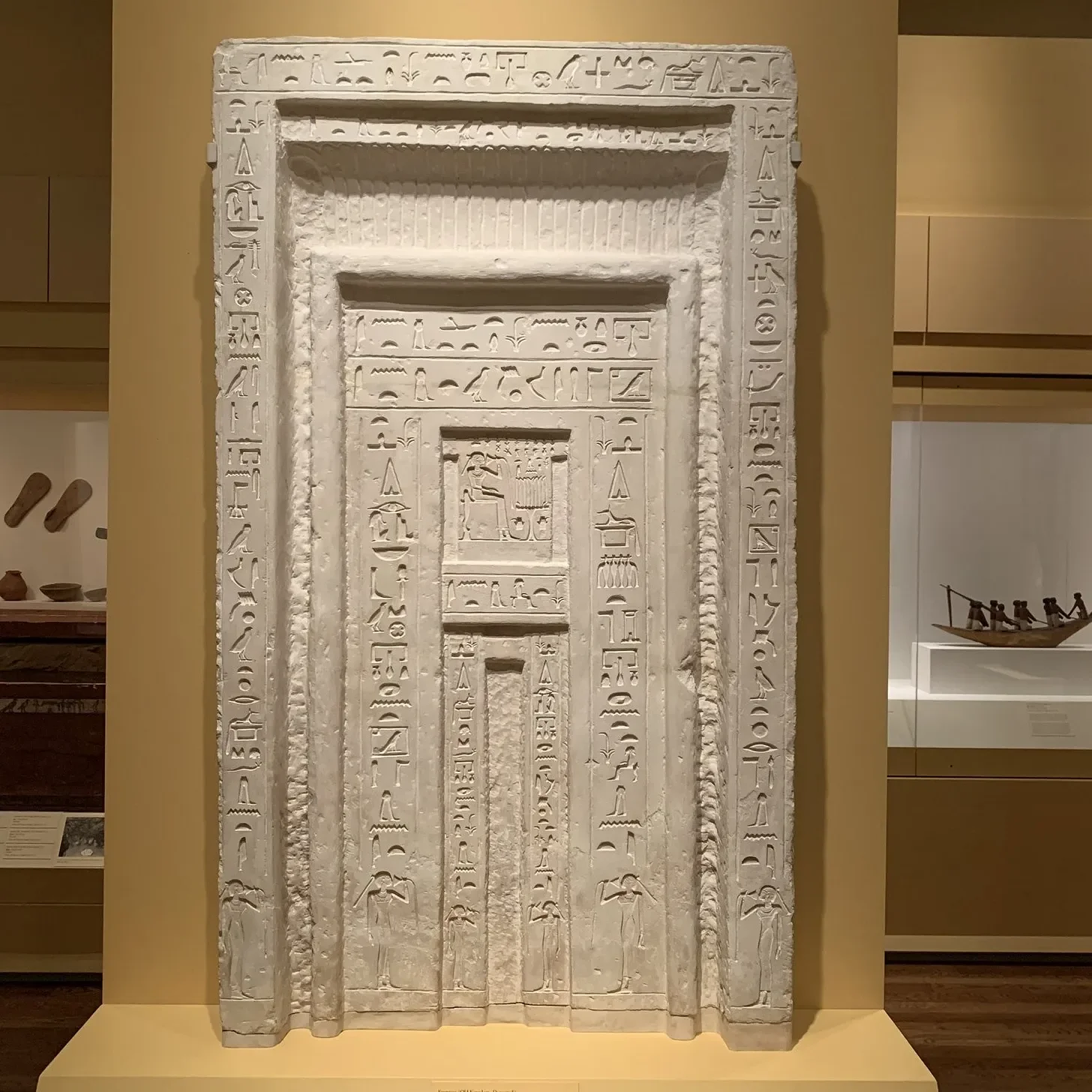
Egyptian (Old Kingdom, Dynasty 5), False-Door Stele, Limestone, 2475-2345 BC
The false-door stele, a gravestone in the shape of a door, stood between hidden burial chambers and a funerary chapel where offerings were left for the deceased. The stele was the symbolic door through which the Ka of the deceased passed to partake of the offerings. Images of the deceased, a priestess named Inti, occur six times at the bottom of the relief and once over the "door," where she is shown enjoying her funerary banquet.
Why Isn’t Art Considered Essential?
The answer might be simple: we’ve forgotten. Art is so embedded in the fabric of life that we no longer see it. It lives in the curves of a chair, the design of a piece of furniture, the logo on a soup can, the story behind a song. But because we don’t always call it “art,” we forget to recognize it as such.
Worse, we’ve been conditioned to see art as an extra; a luxury, an elective, an afterthought to the “real” work of survival.
But what is survival without meaning?
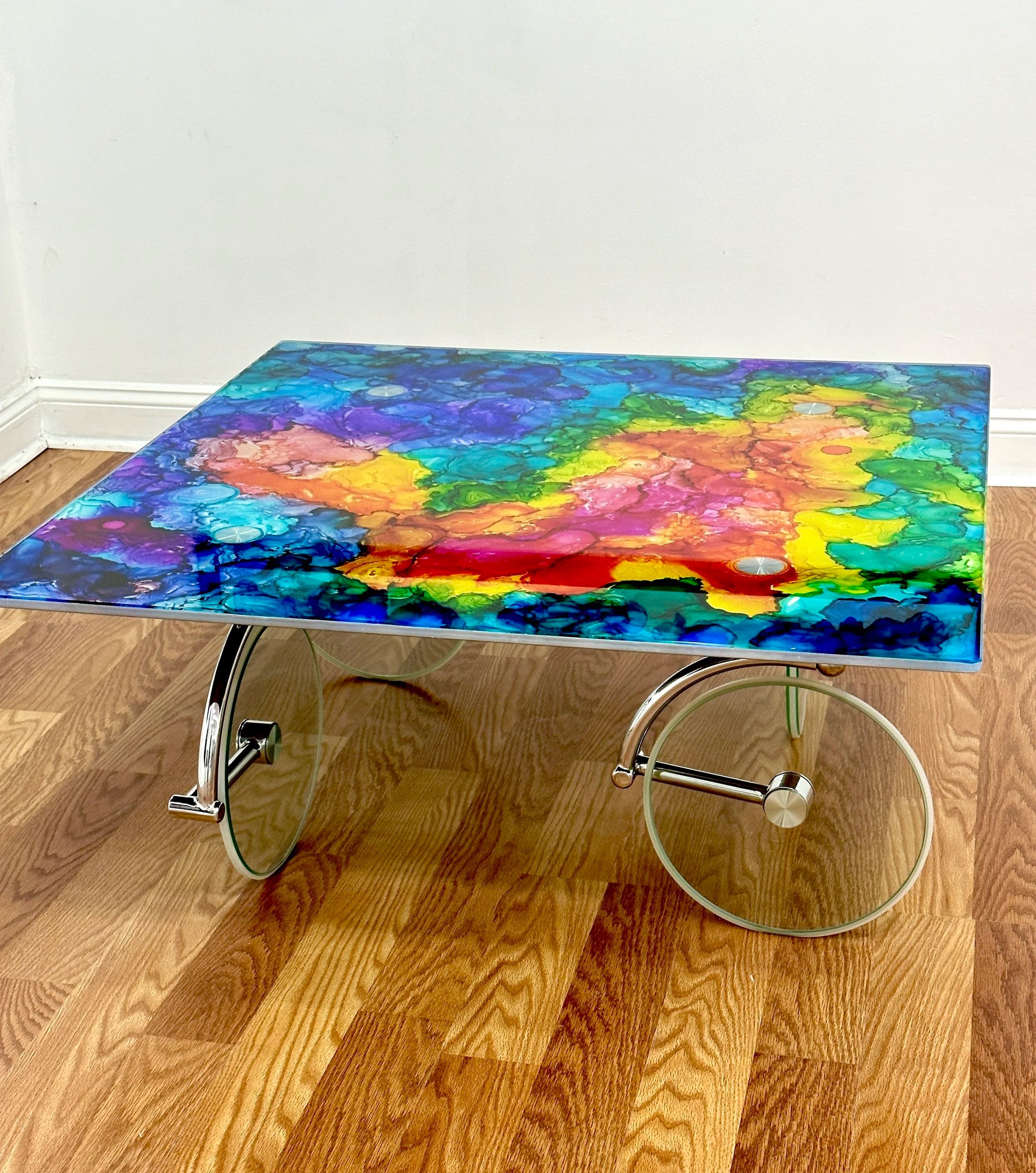
Justin Winkel, Bicycle Wheel Coffee Table
Art Is the Common Thread
Without art, we’d still eat, but we wouldn’t savor.
We’d wear clothes, but they wouldn’t express.
We’d build homes, but they wouldn’t inspire.
We’d speak, but we wouldn’t connect.
Art is what turns existence into experience.
It’s the thread running through every so-called necessity. It shapes the decisions we make, the things we build, the stories we share. It’s not the opposite of survival, it’s the expression of it. Art, artists and creatives influence so much of what we love, enjoy, desire and need.
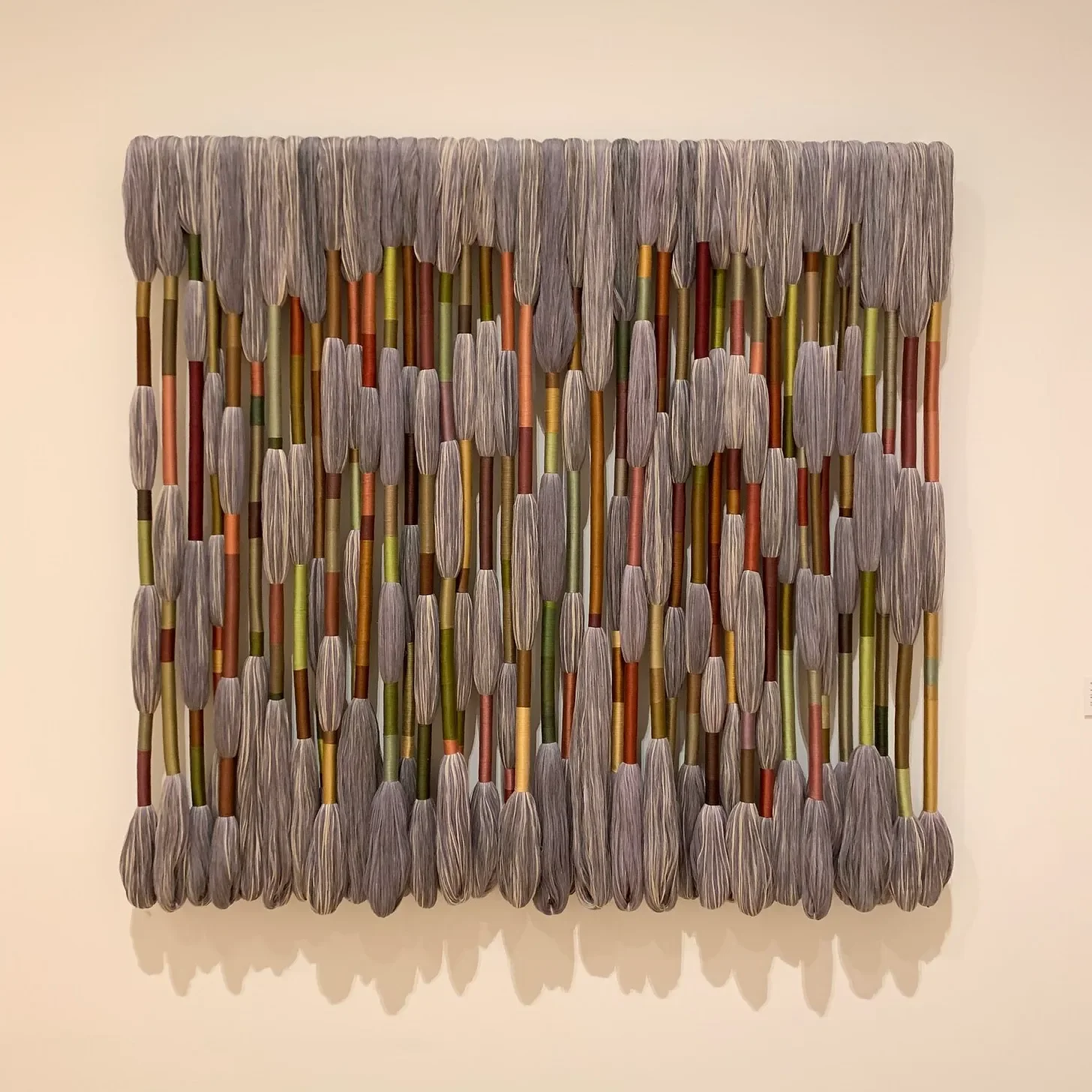
Sheila Hicks, Lianes Lilas, linen, cotton, wool, 2018. (Collection of the Artist)
What Art Gives Us & Why We Need It
Even as art surrounds us, it remains under threat. Across the country, and around the world, art programs are being defunded. School curricula are stripping away music, visual art, and creative writing. Public libraries are closing or losing funding. Museums are shutting their doors. Entire communities are losing access to spaces that celebrate imagination, creativity, and cultural memory.
I understand the financial argument. Art can be expensive to sustain. Materials need to be replenished, supplies wear out, and funding is often limited. But this is not simply a budget issue.
It is an existential one.
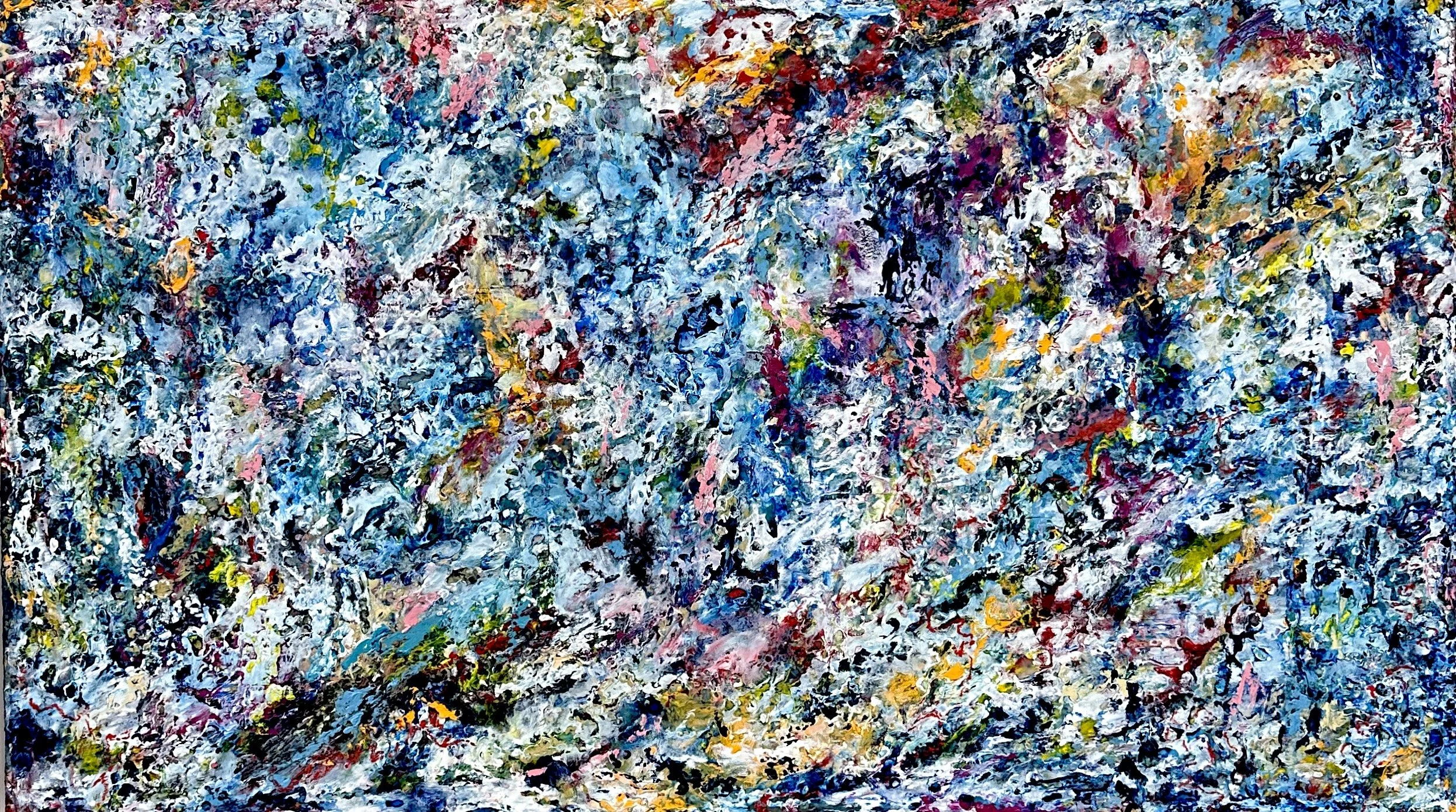
Justin Winkel, Free to Wander, Encaustic & pastels on wood panel, 16 × 28in
This painting was inspired by the belief that art allows the mind to wander beyond structure and expectation, opening space for curiosity, memory, and imagination to emerge.
When we defund or not support the arts, we are not cutting “extras.” We are cutting off access to empathy, critical thinking, joy, identity, and freedom of expression. We narrow our children’s worldviews and tell future generations that beauty and voice do not matter. We eliminate a crucial part of childhood development. We remove the opportunity to simply play.
And play matters.
Adults already struggle with work-life balance and the ability to disconnect from productivity. The innocence and curiosity we carry as children slowly evaporate as we get older. So many adults walk into the gallery and immediately say, “I’m not an artist.” I always find that unfortunate.
Because art is not about perfection. It is about participation.
Whether someone visits a museum, attends a gallery opening, watches a play, listens to a symphony, paints for the first time in years, or even picks up an adult coloring book, these moments reconnect us to something essential. Art gives us permission to explore, to imagine, and to play again.
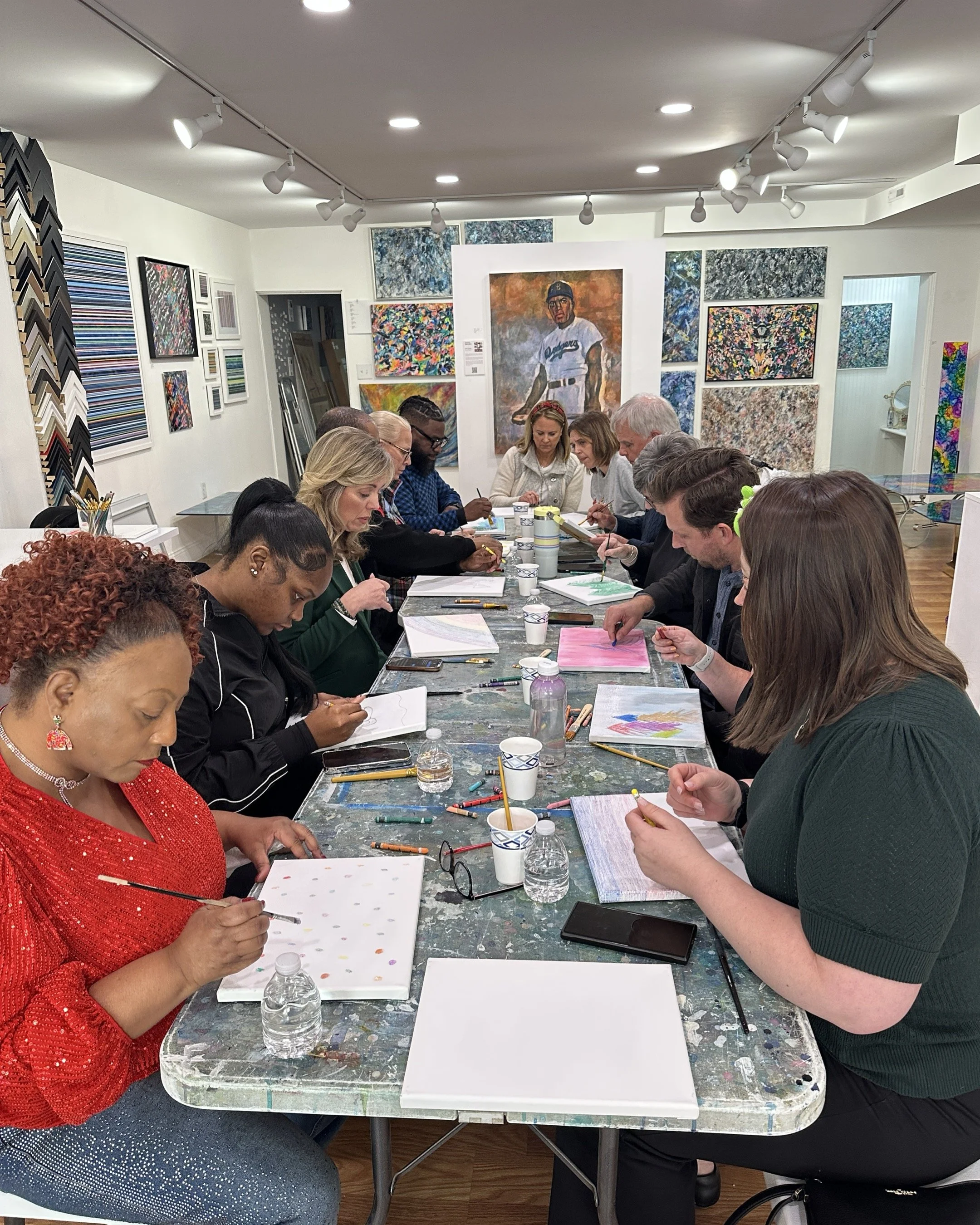
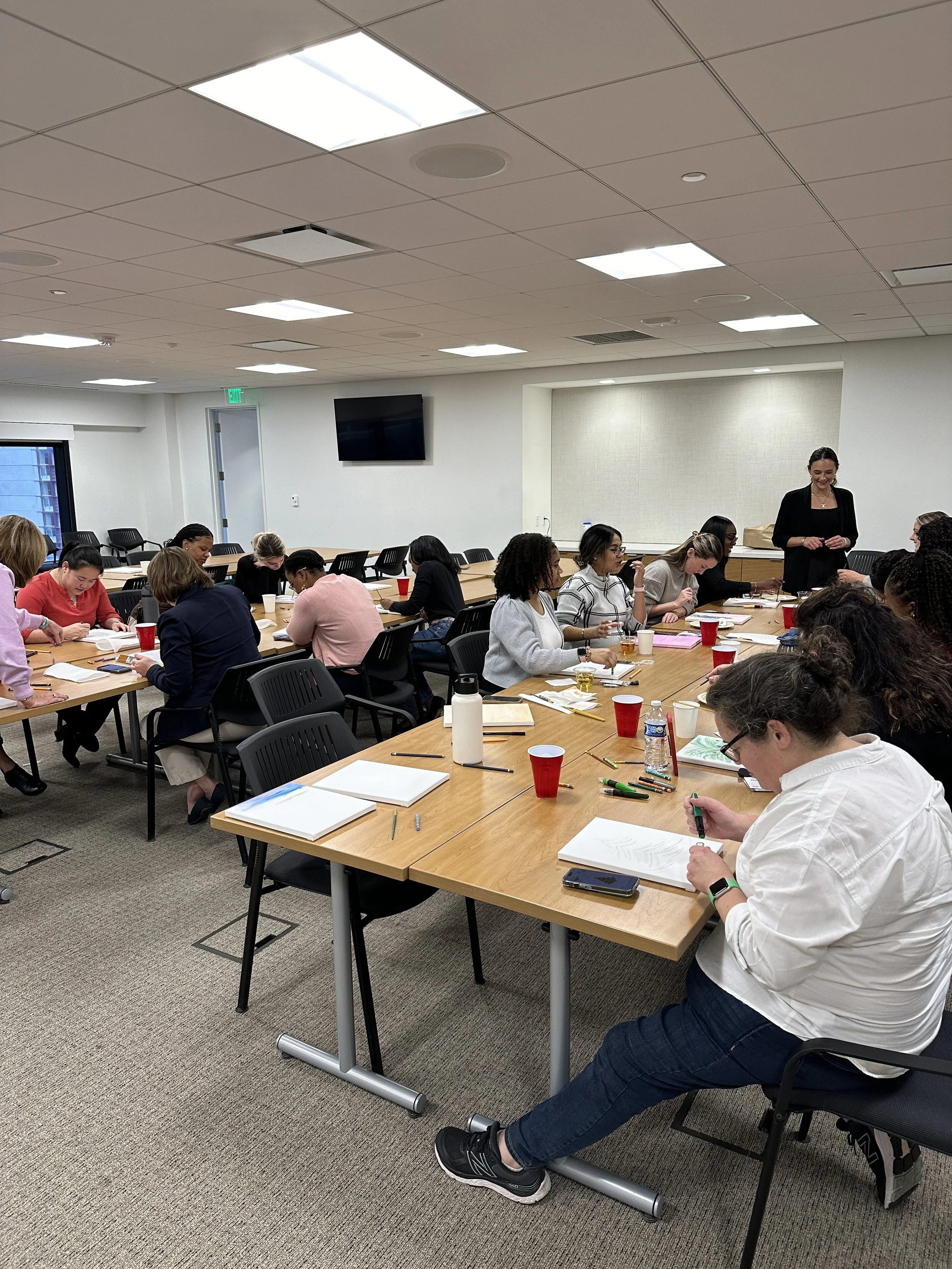
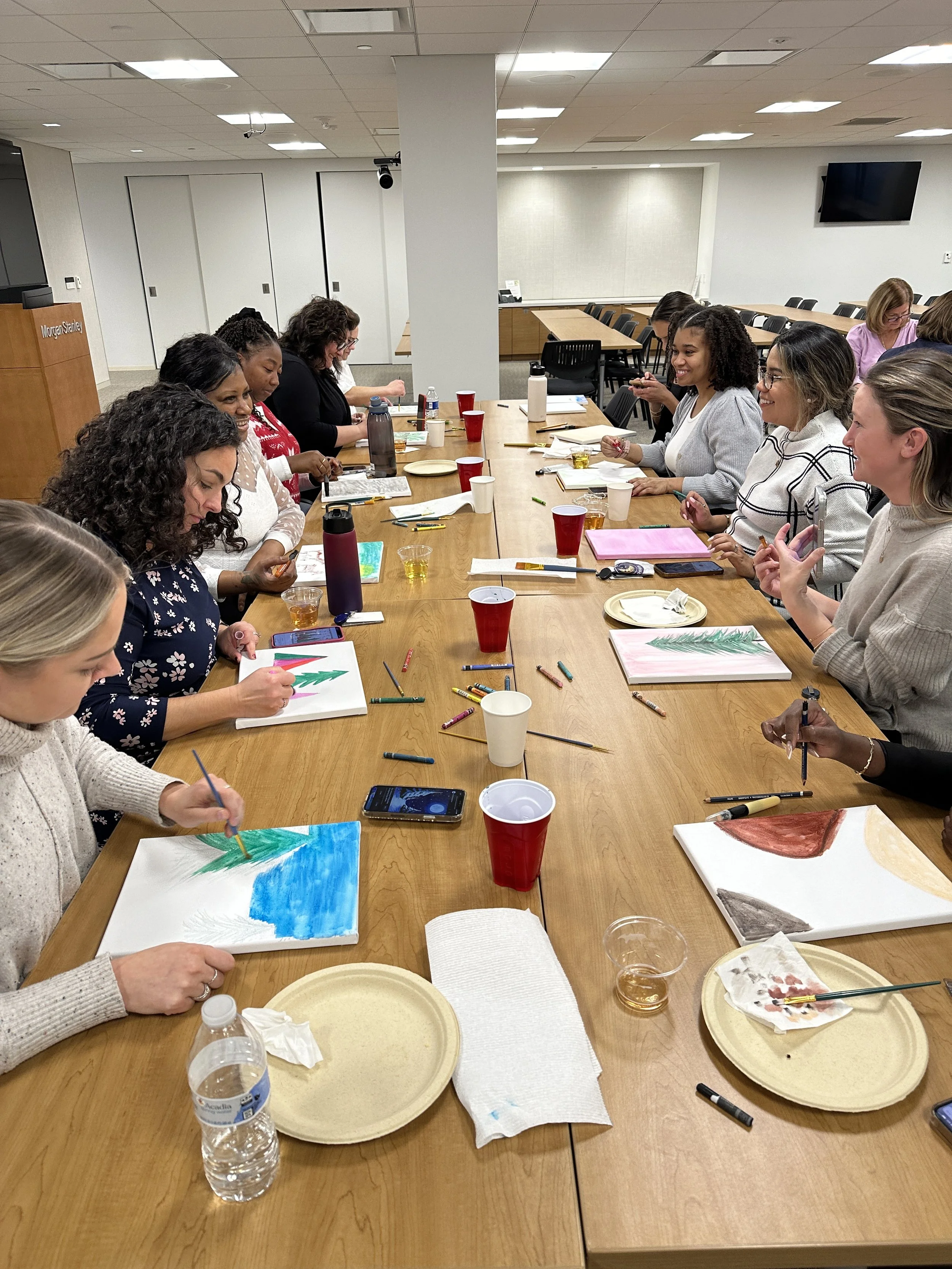
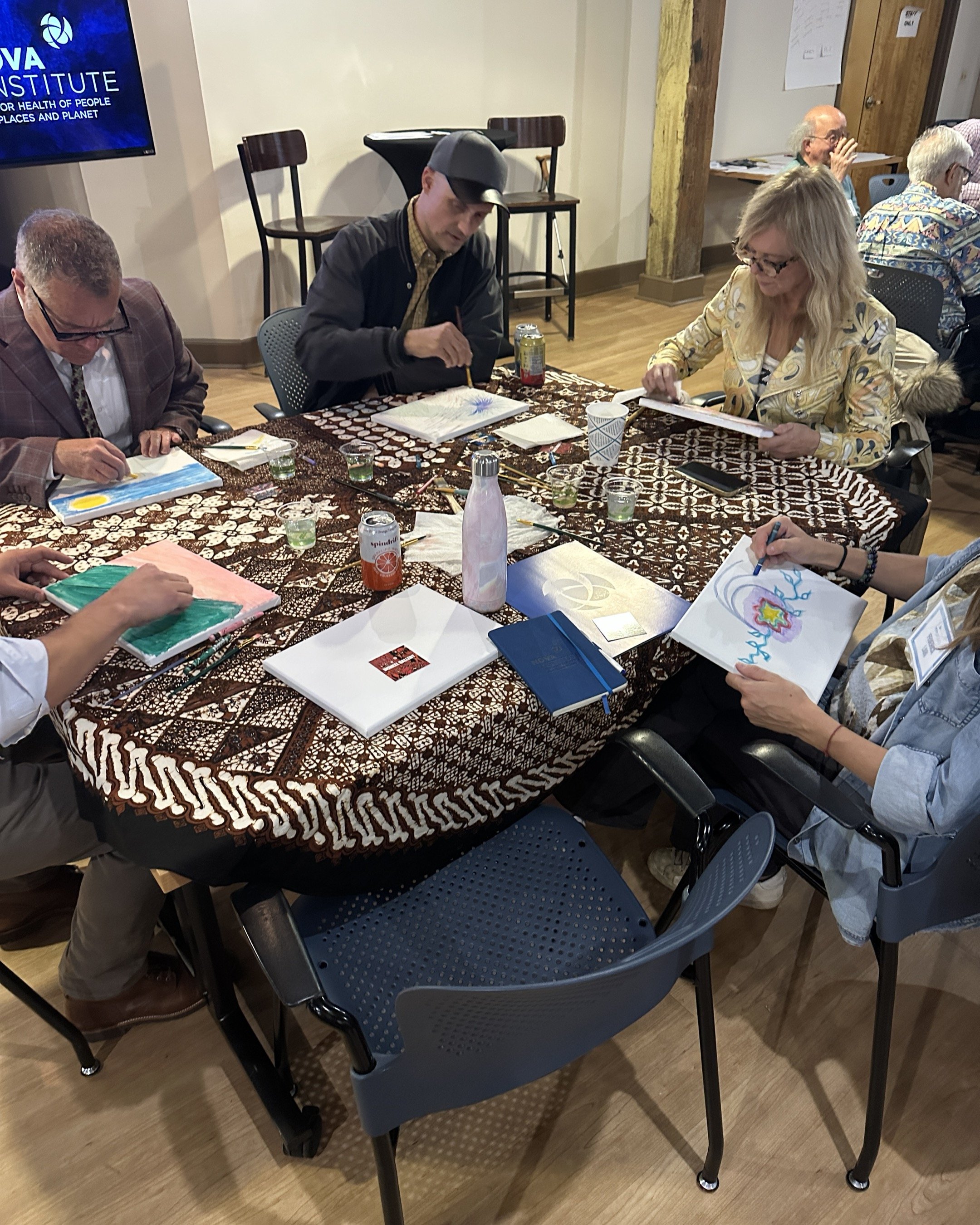
I have witnessed this repeatedly during the team-building painting workshops I host at the gallery. While these events are often designed to strengthen team morale and encourage collaboration, they also do something much deeper for the individual. They allow people to temporarily step outside of the rigid structure of the workplace and enter a space that feels open, playful, and free.
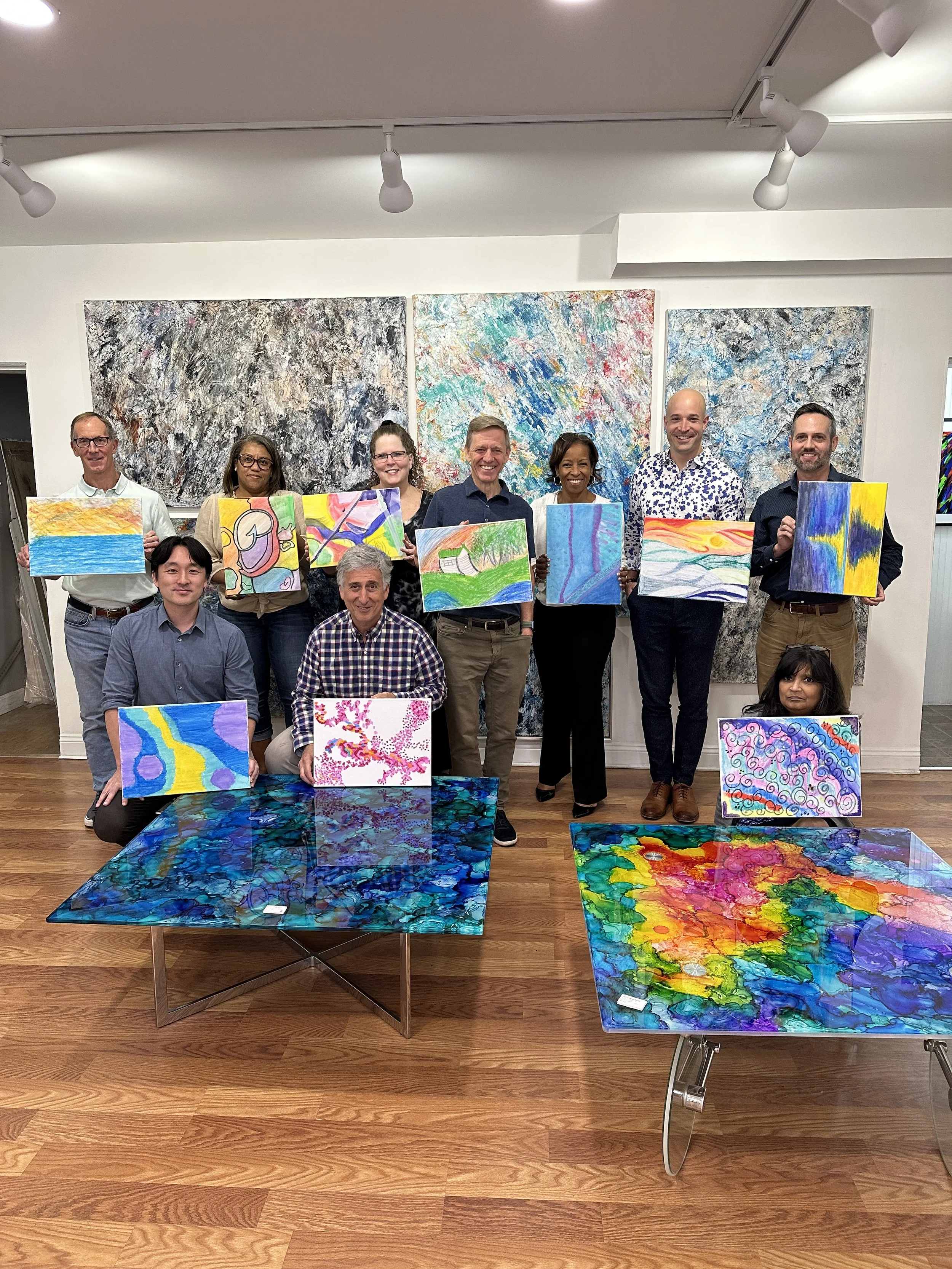
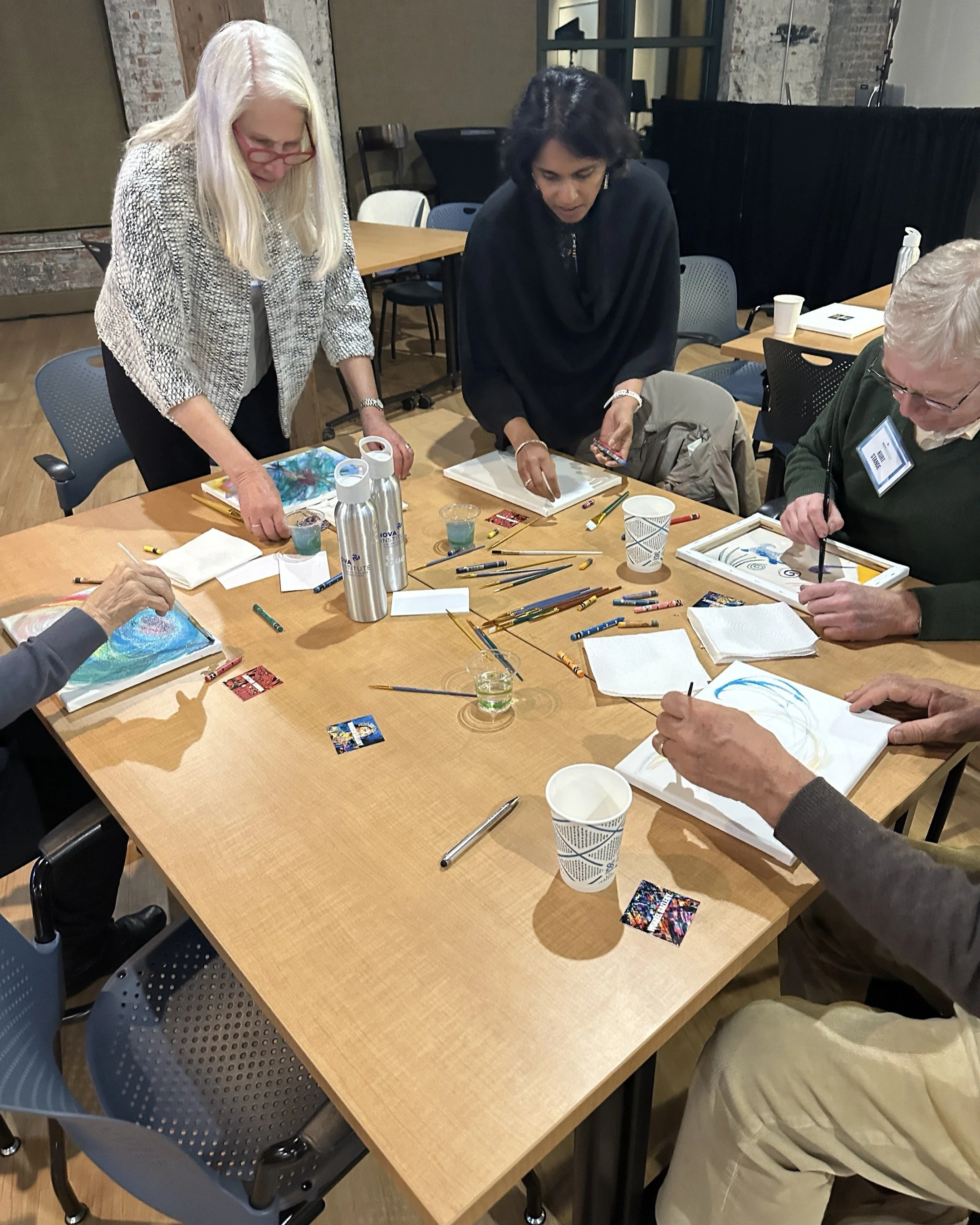
At the beginning of almost every session, I hear the same comments:
“I don’t know what to paint.”
“I’m not very good at this.”
“I’m not an artist.”
There is an immediate fear of judgment, of failure, of not creating something “good enough.” But once I remove that pressure from the room and explain that the goal is not perfection, but freedom of expression, everything changes. People loosen up. Conversations become lighter. Laughter fills the space. Participants stop overthinking and begin fully immersing themselves in the process.
What always amazes me is how quickly people lose track of time once they allow themselves to create without expectations. For a few hours, they disconnect from productivity, deadlines, and performance metrics. They become present.
And afterward, many participants tell me they want to continue creating at home, often mentioning plans to buy materials and paint with their children. That response says everything to me. Creativity is contagious. Once people reconnect with it, they realize how much they have missed it.
Recently, I witnessed this firsthand through my current interactive project, The Shared Surface. When I first developed the idea, I did not fully know what would happen once people were invited to contribute directly to the artwork. What unfolded surprised me. Visitors of all ages approached the piece with a kind of openness that adults rarely allow themselves to experience anymore. People laughed. They experimented. Some hesitated at first, insisting they were “not artists,” only to completely lose themselves in the process moments later.
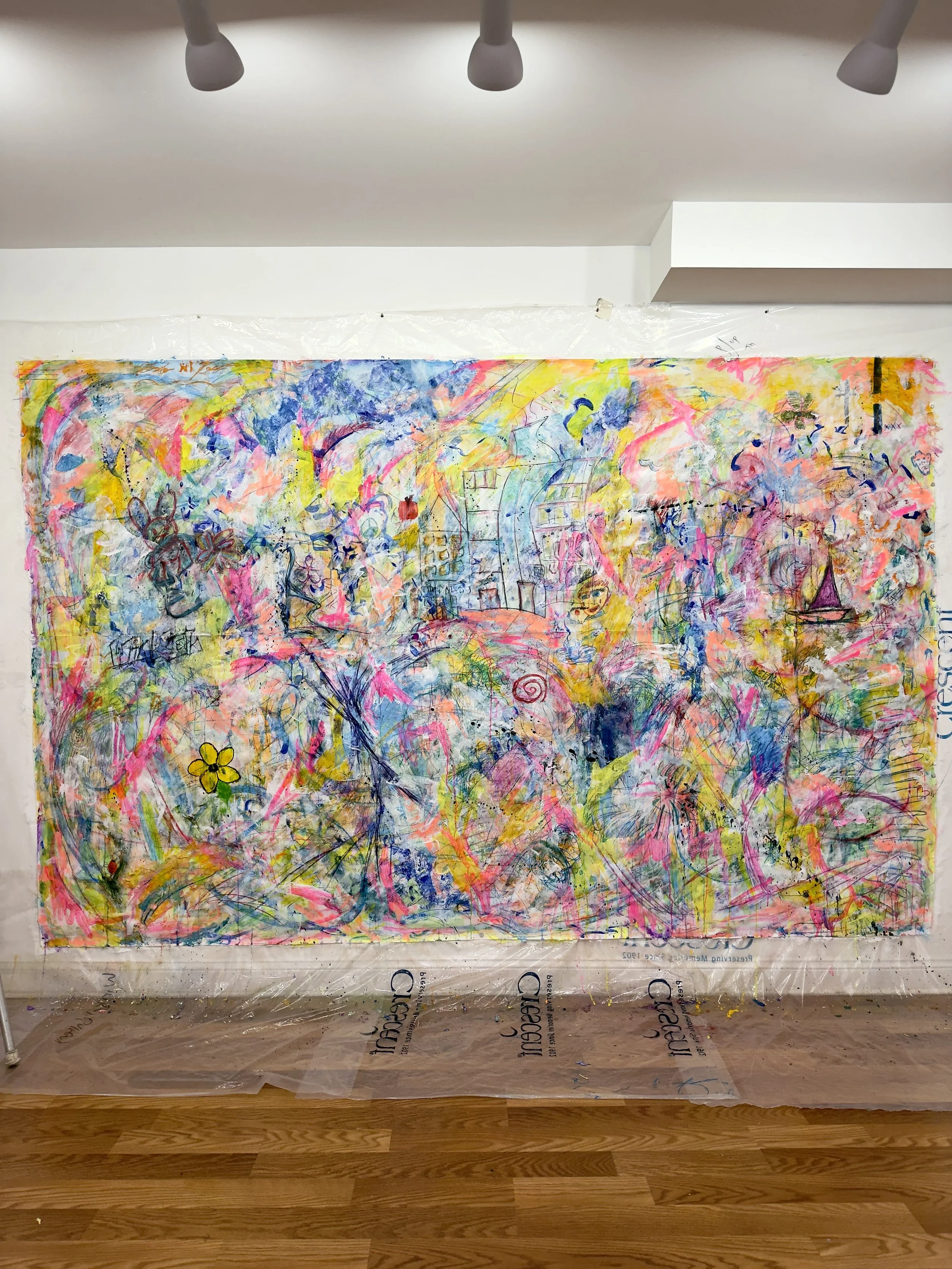
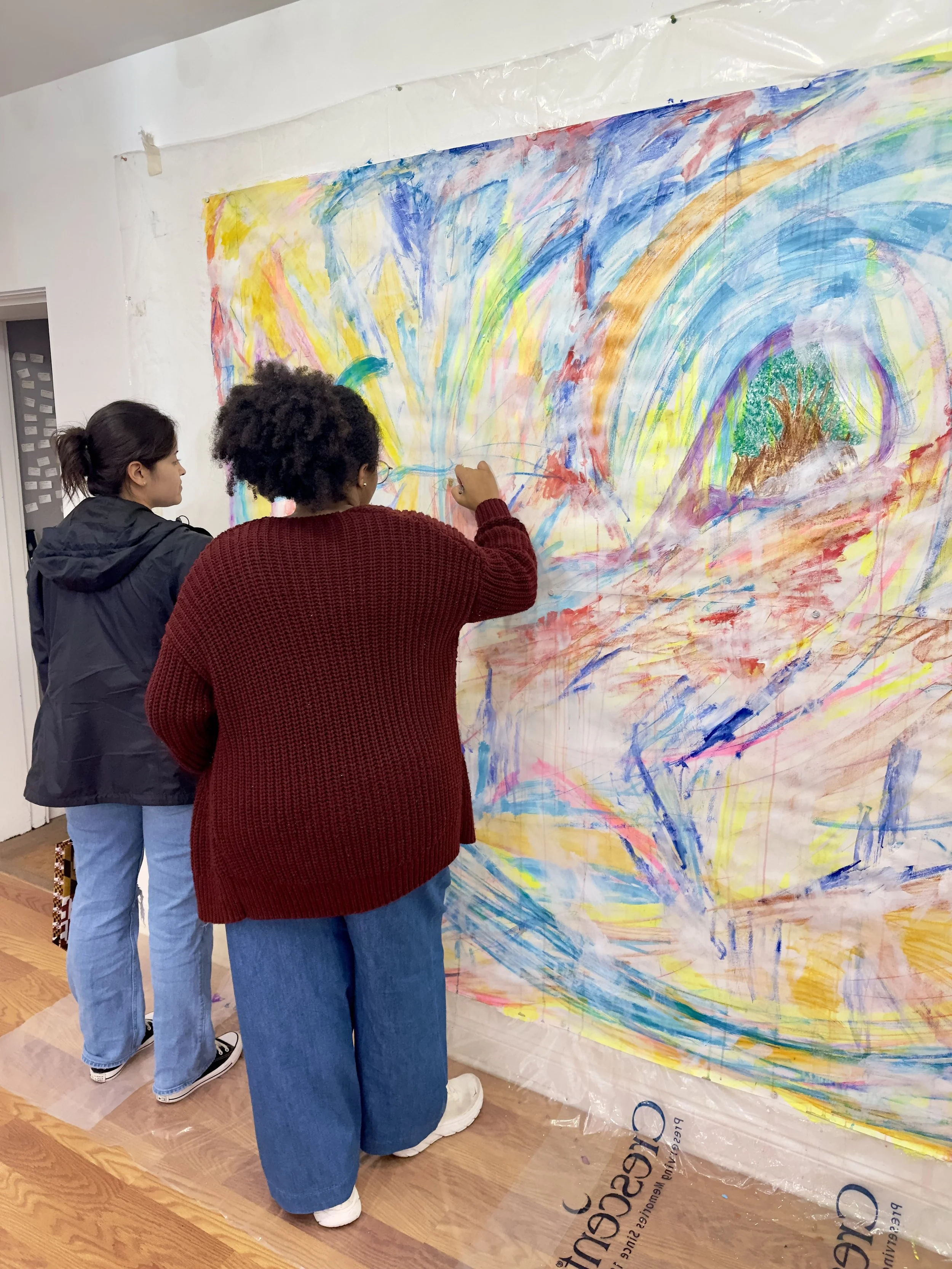
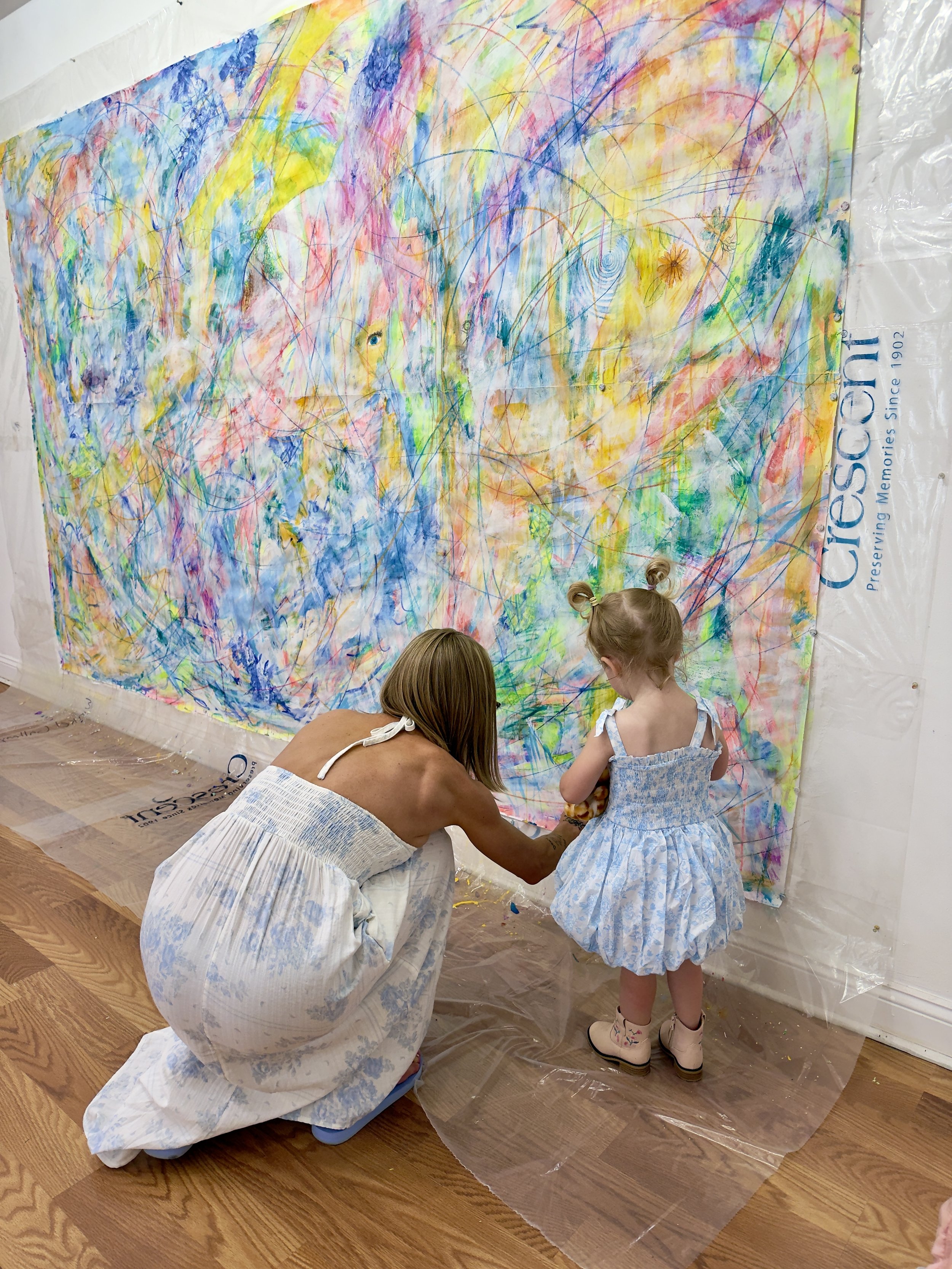
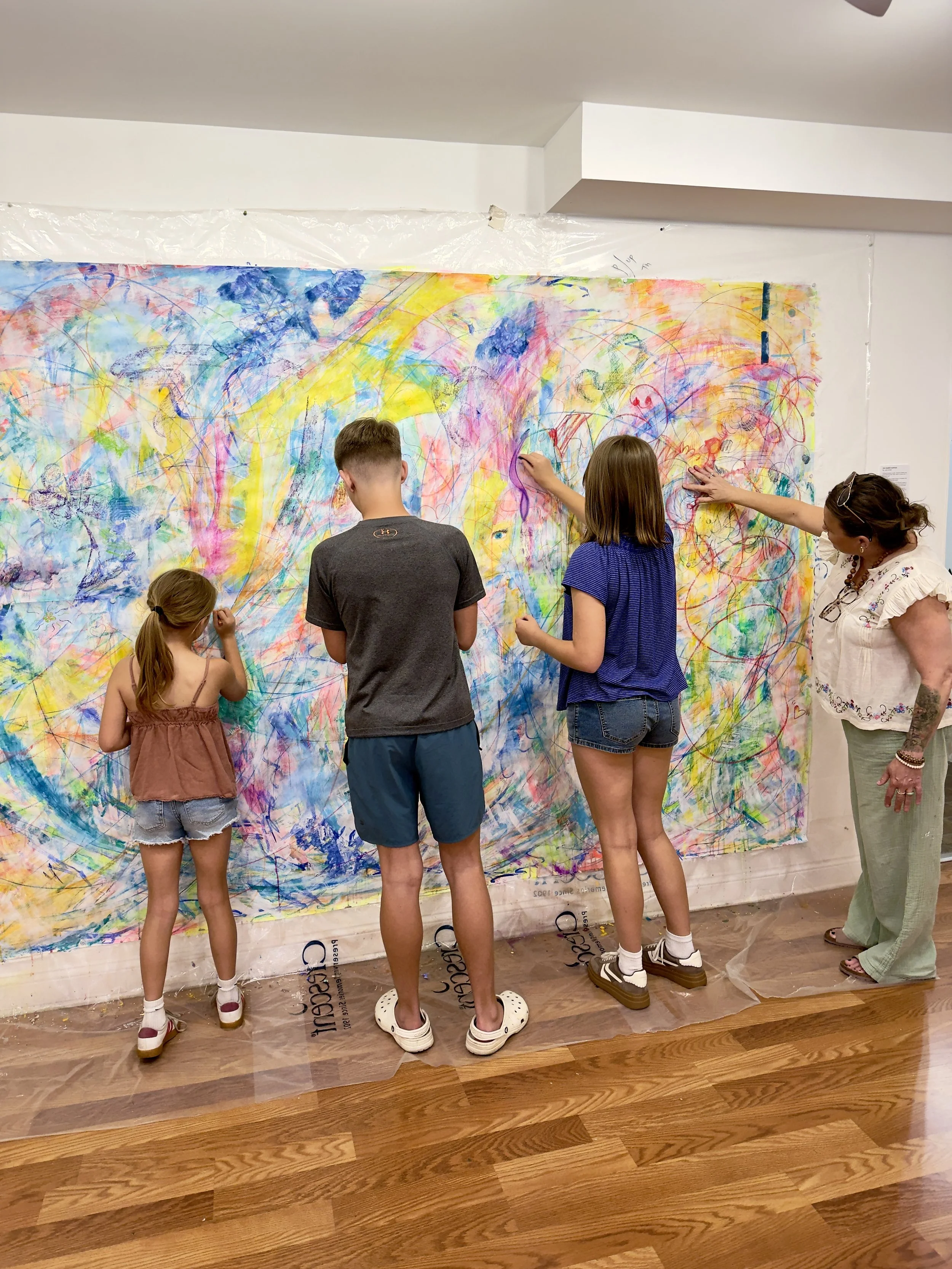
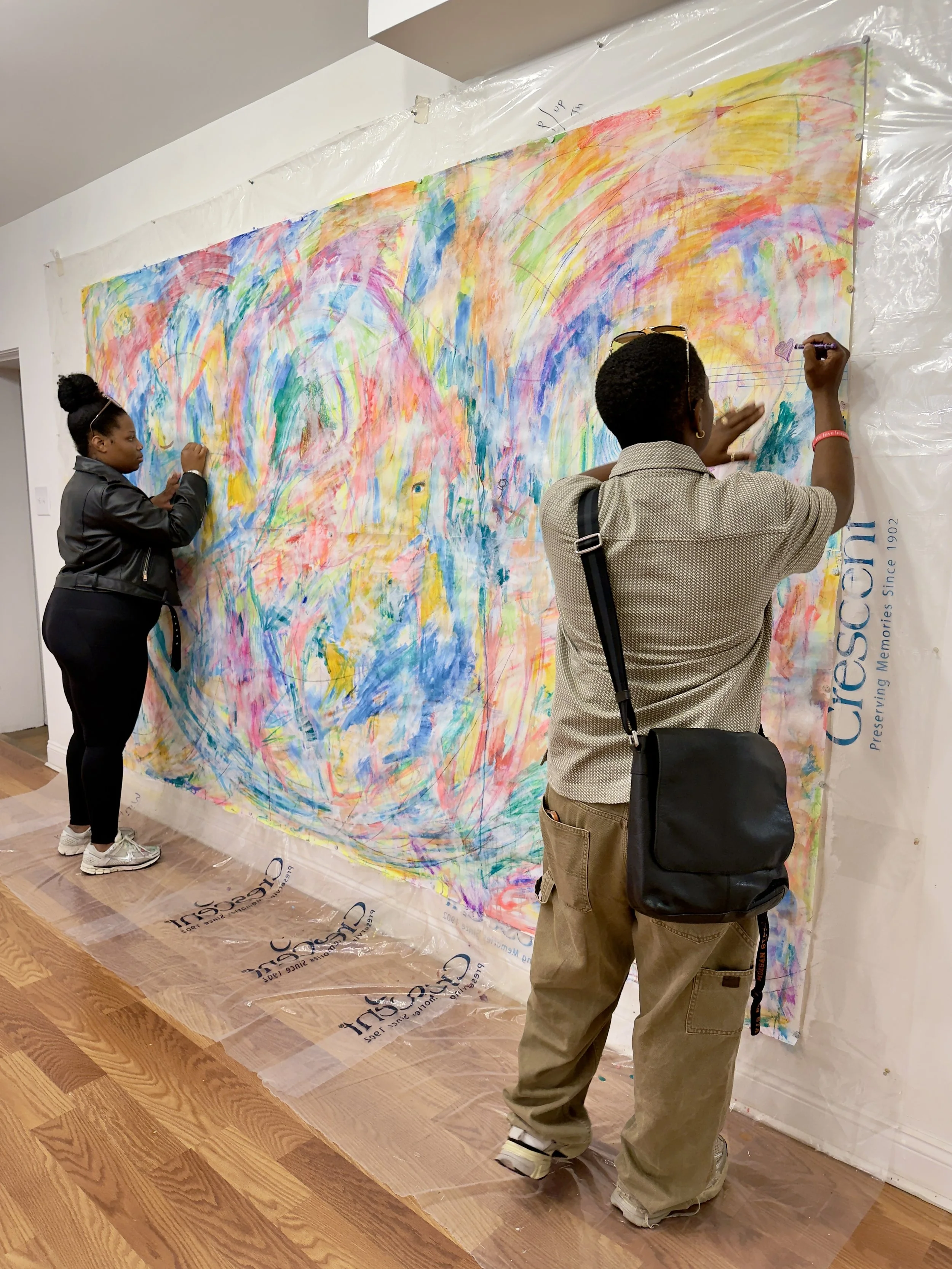
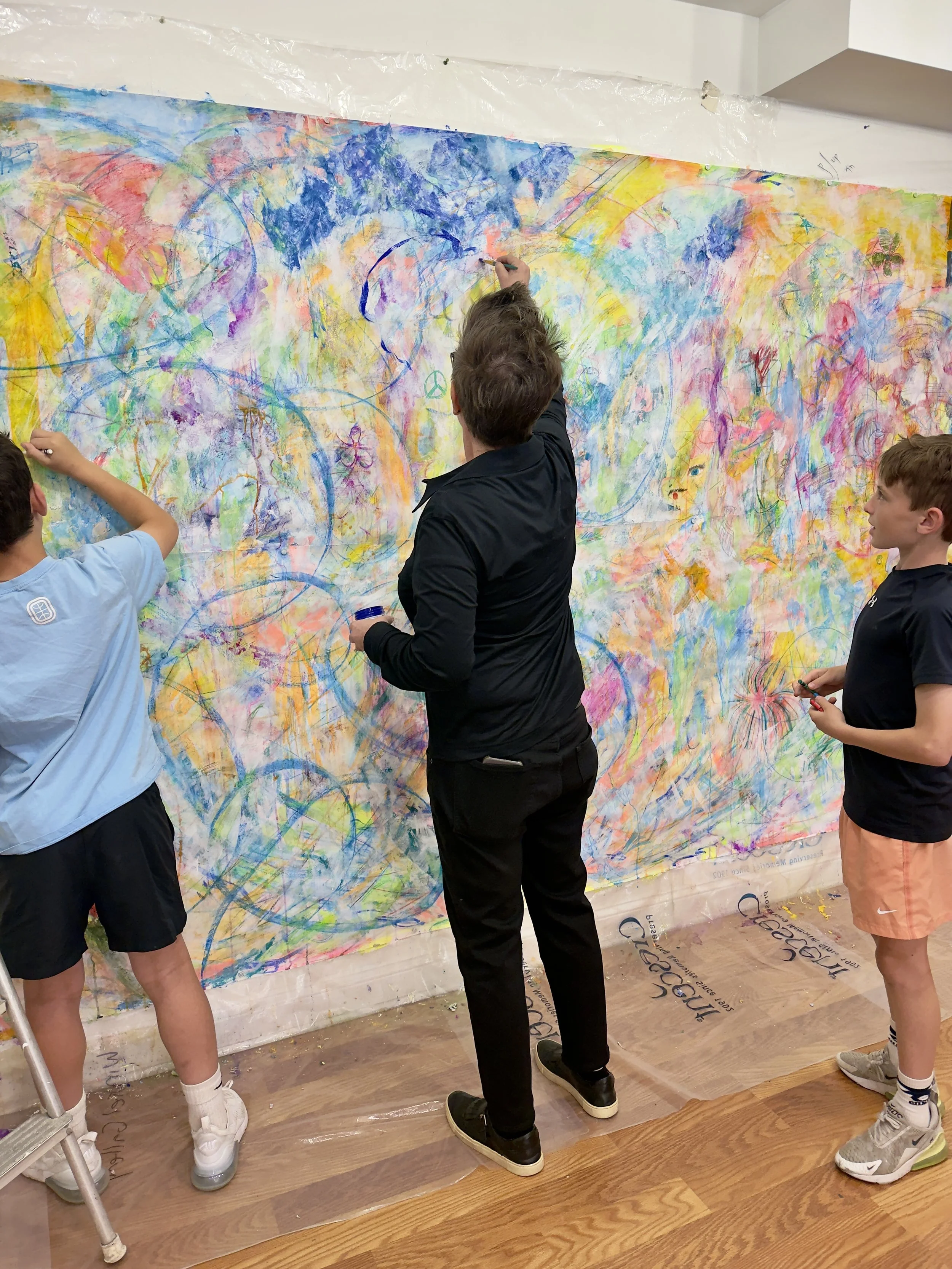
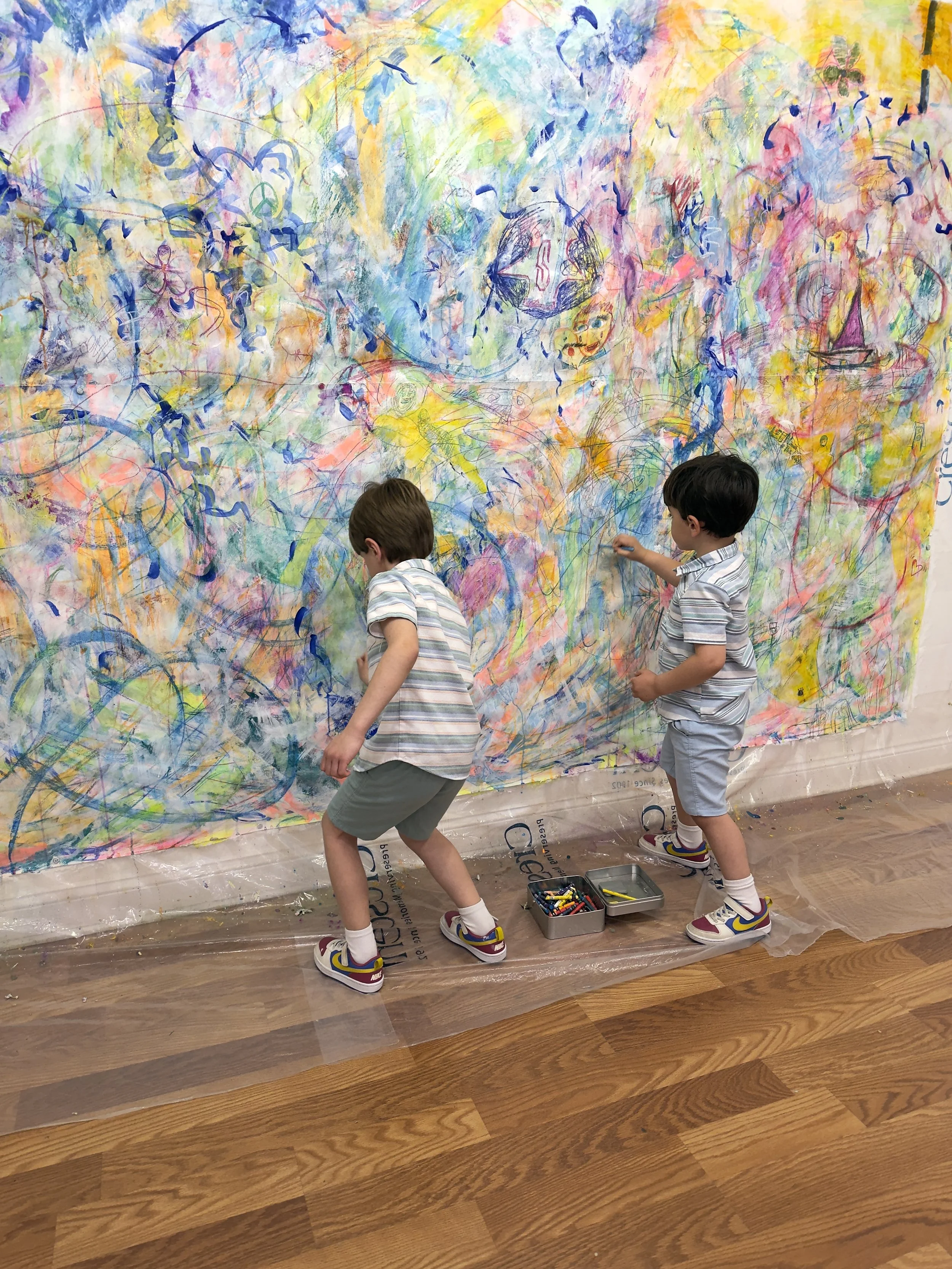
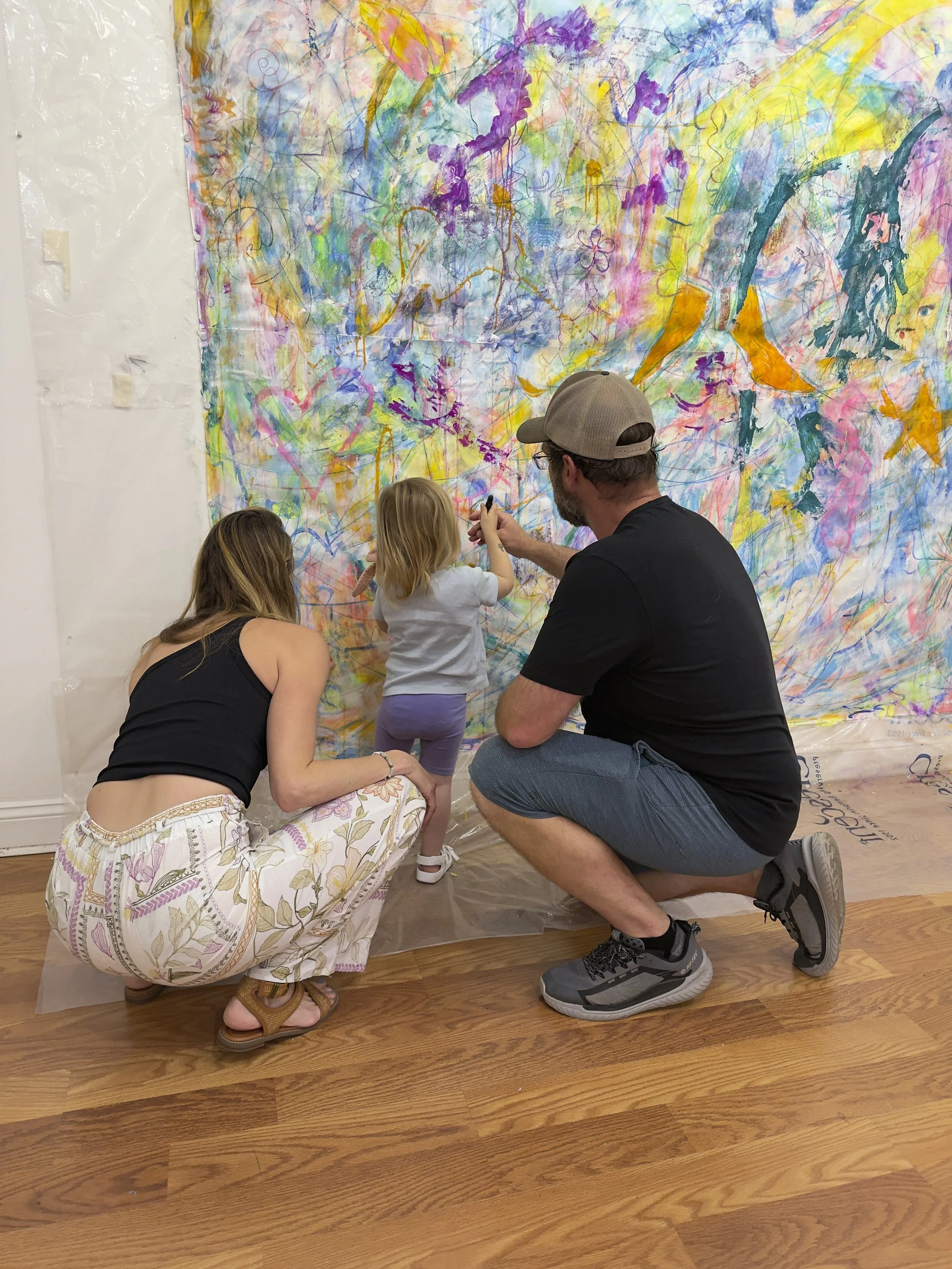
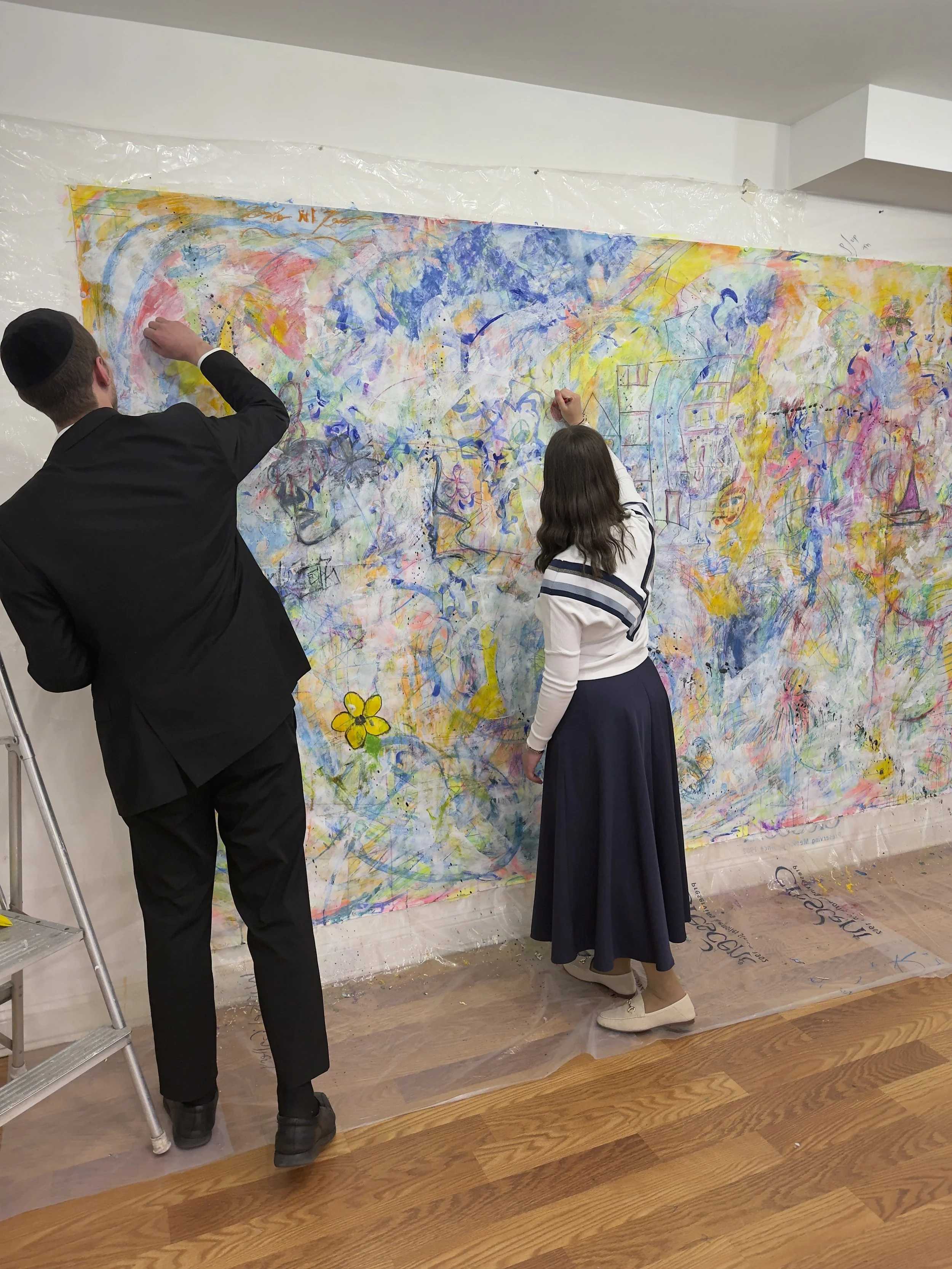
What struck me most was the visible shift that occurred once people gave themselves permission to participate. The pressure disappeared. So did the self-consciousness. For a brief moment, people stopped thinking about productivity, deadlines, status, or perfection. They simply created.
And in doing so, they experienced something deeply human.
The Shared Surface has become more than an artwork. It has become evidence of what art actually provides us: connection, presence, curiosity, play, and joy. Not passive consumption or manufactured entertainment, but active participation. The kind that reminds us we are still capable of wonder.
In a time when so much of modern life feels isolating and transactional, I have watched complete strangers connect through creativity without needing words at all. That experience reinforced something I have long believed: participating in the arts is not frivolous or secondary to our well-being. It is essential to it.
Art does not only decorate life. It helps us feel alive inside it.
To abandon art is to abandon part of what makes us human.
Or even more simply:
To forget art is to forget who we are.
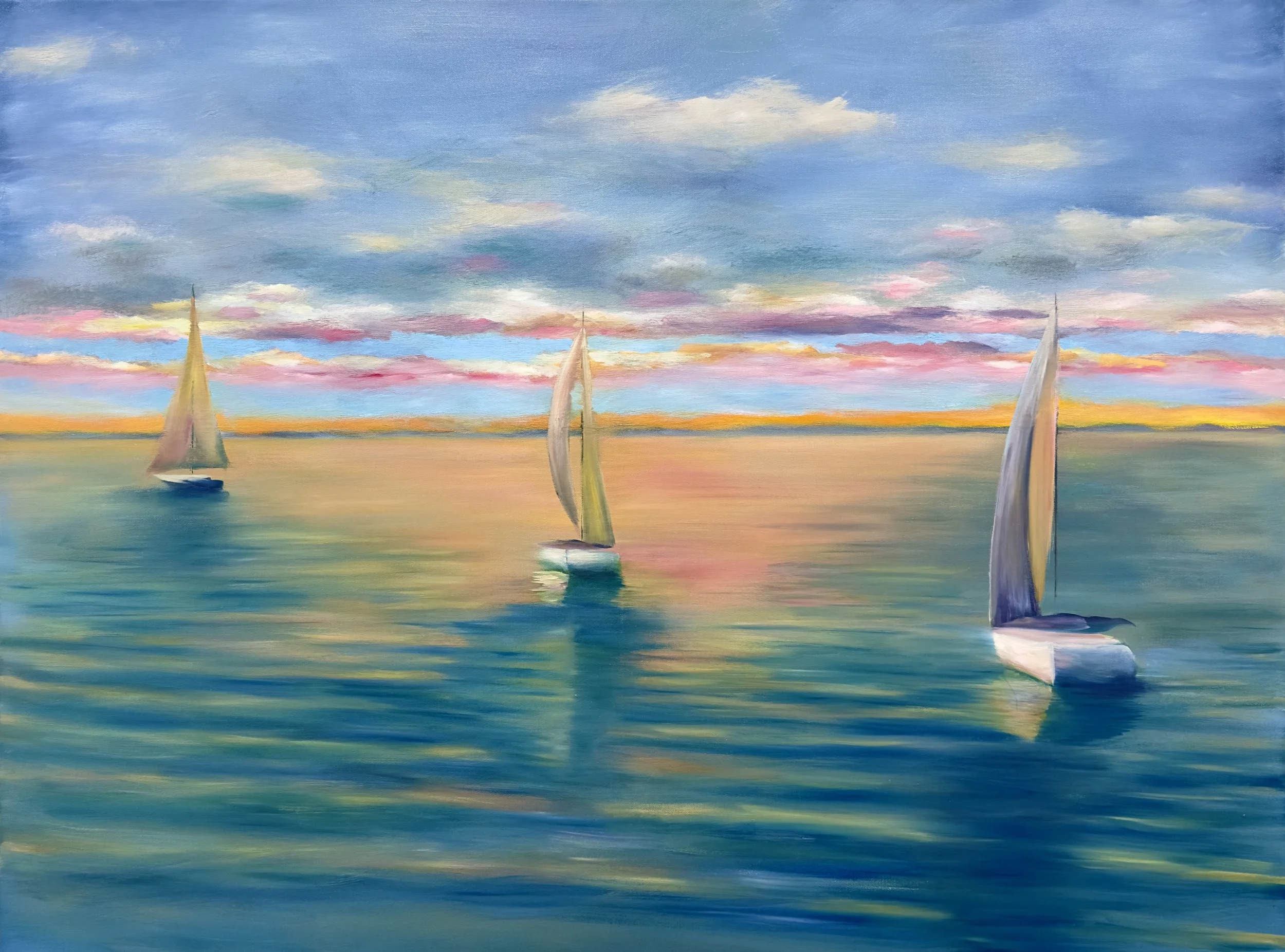
Shawn Humes, Afternoon Glow, Oil on canvas, 36 × 48in
Have We Ever Truly Lived Without Art?
Let’s stop asking if we need art.
Let’s start asking what kind of society we become without it.
Because a life without art is not just colorless, it’s voiceless.
And a world without artists is one that forgets to dream.
We will all leave this earth at some point, but I would rather do so feeling artfully fulfilled than feel as though I missed out on the art of life itself.