WINKEL GALLERY PRESENTS
THEMES & COLORS
EXHIBITION SUMMARY
On View Through June 28, 2026
Opening Reception: Saturday May 16 from 1-4pm
Themes & Colors explores the dynamic relationship between subject matter and palette, bringing together a group of artists whose works are organized through both thematic focus and color sensibility. Rather than isolating each artist, the exhibition interweaves their voices, allowing shared themes and palettes to reveal distinctly individual approaches.
Each section becomes a conversation. Sailboats move between calm and motion, often anchored in expansive blues, yet rendered through vastly different stylistic lenses. Digital Paintings highlight the evolving language of contemporary tools, where artists use monochromatic tones or vibrant multi-color palettes to push the boundaries of image-making. Fireflies capture fleeting light and quiet moments, using contrast and restraint to evoke atmosphere and memory. Sculpture introduces a physical dimension, where materials and form shape how the work interacts with space. Music-inspired works translate sound into visual form, exploring rhythm, energy, and personal connection.
This exhibition also includes two sensory components that extend the experience beyond viewing. In the music section, a listening station invites visitors to play a record while engaging with the artwork, encouraging a deeper and more immersive connection. An interactive wall, curated and created by Justin Winkel, invites viewers to participate directly by adding their own mark to an ongoing artwork.
Themes & Colors invites viewers to look beyond surface similarities and engage with nuance. It is not only an exploration of what is depicted, but how each artist interprets and transforms theme and color into a personal visual language.
Detailed below are the six different themed categories.
SAILBOATS
SAILBOATS
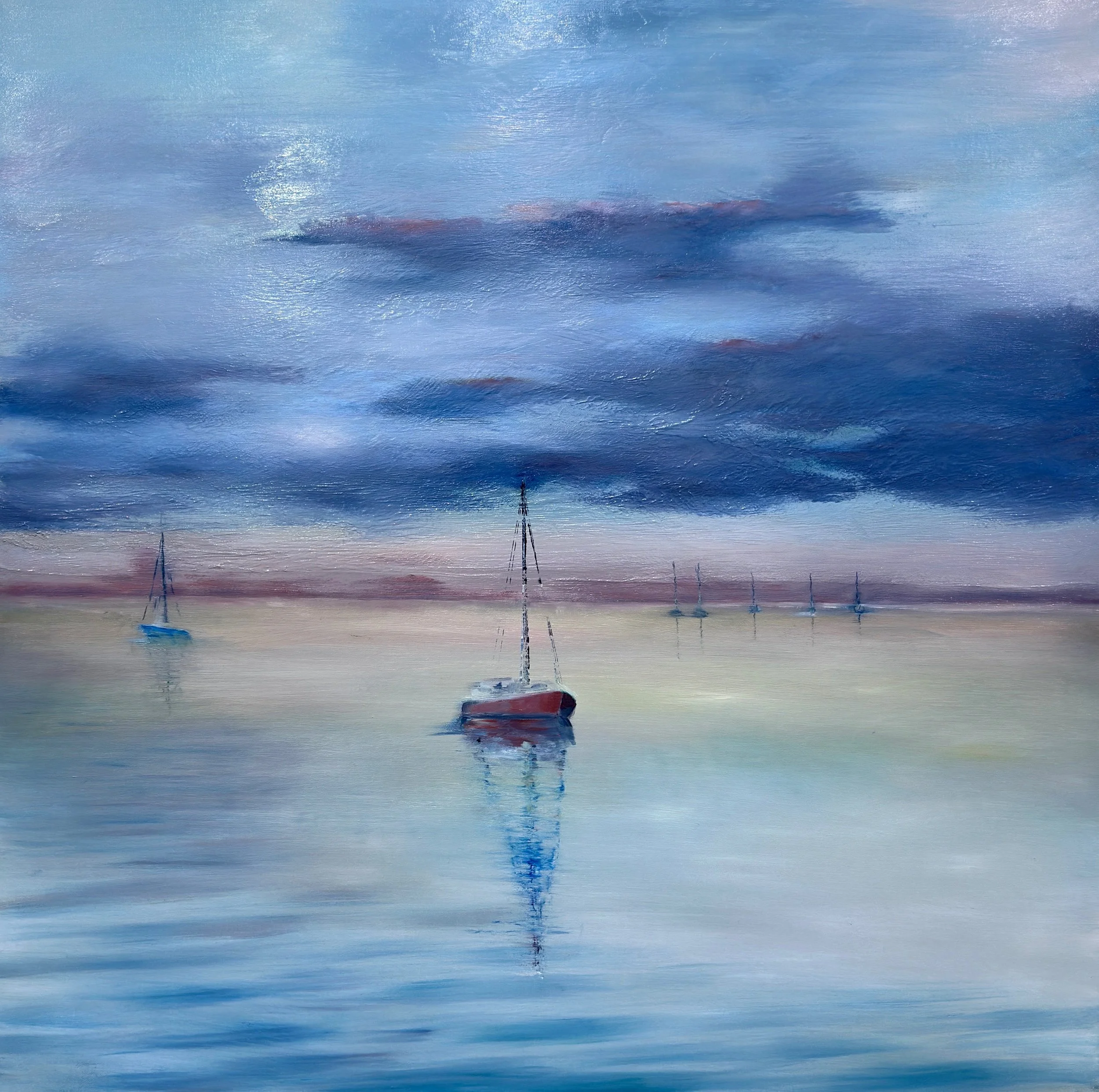
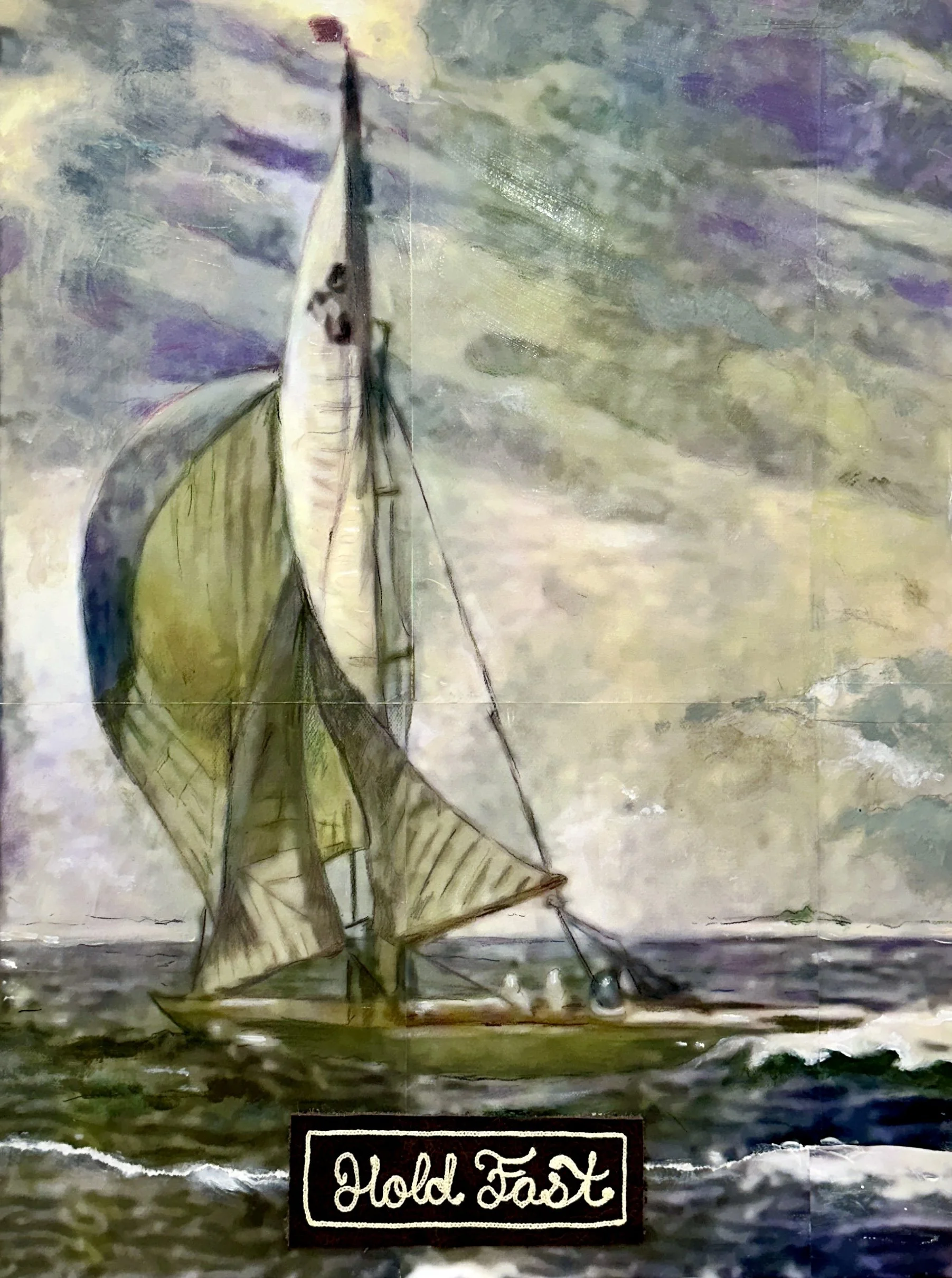
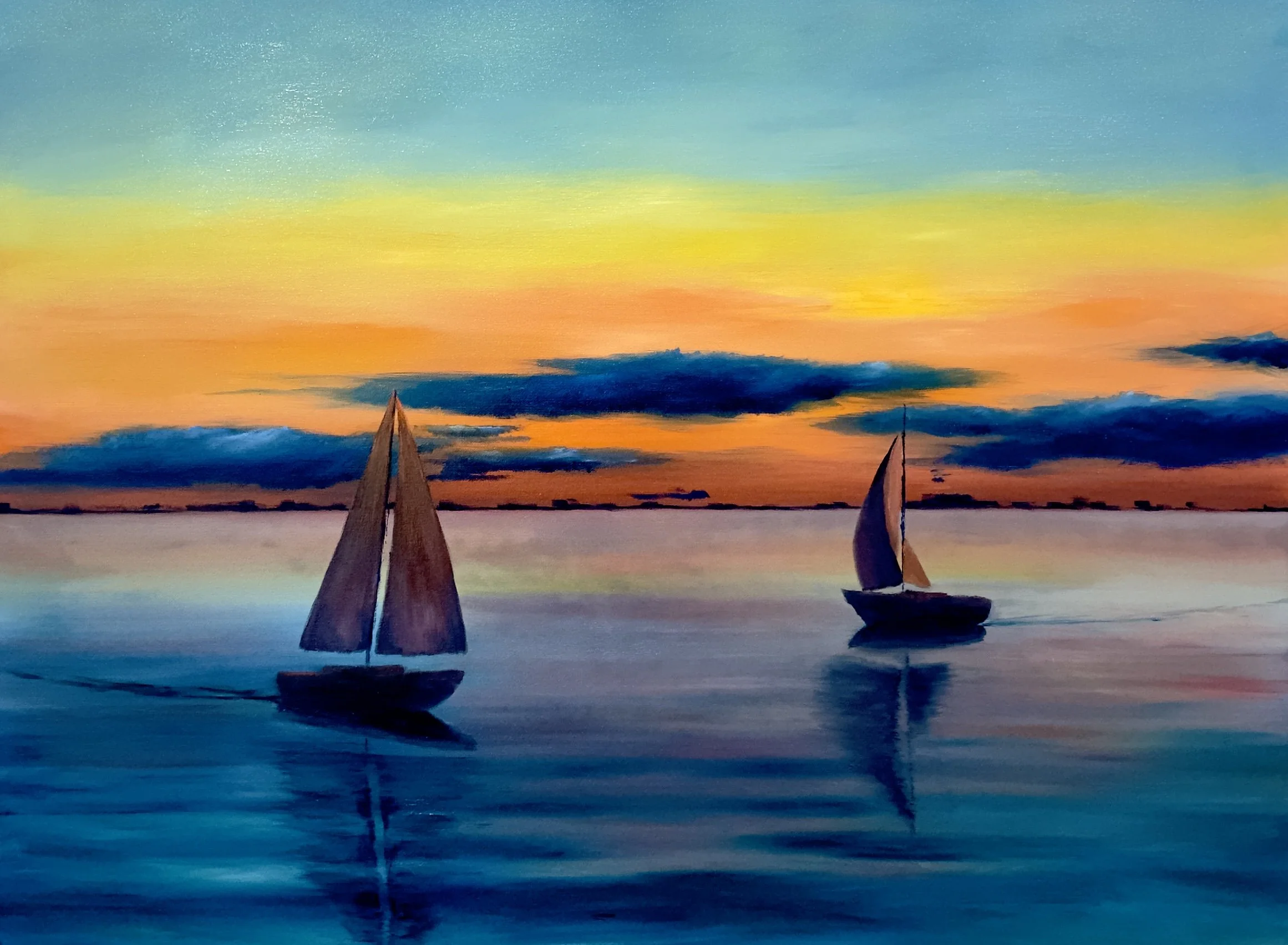
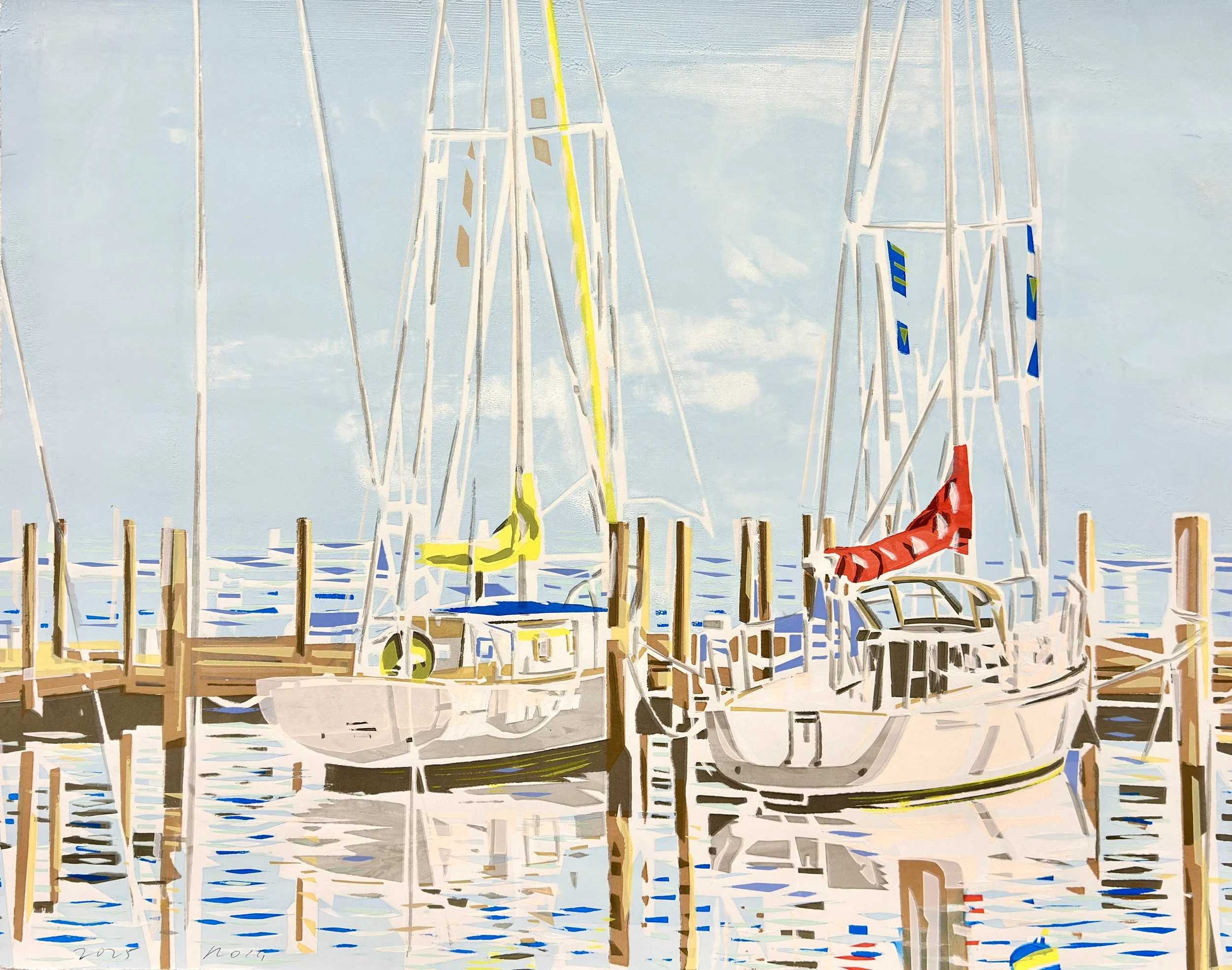
In this section, sailboats serve as a shared subject through which each artist explores material, technique, and interpretation. While the imagery remains consistent, the approaches vary widely, highlighting the versatility and enduring appeal of these vessels.
Sailboats hold a deep connection to Baltimore’s history. From the shipbuilding roots of Fells Point to the innovation of the Baltimore Clipper, known for its speed and agility in the 18th and 19th centuries, these boats represent both craftsmanship and movement, tied to the city’s identity as a working port.
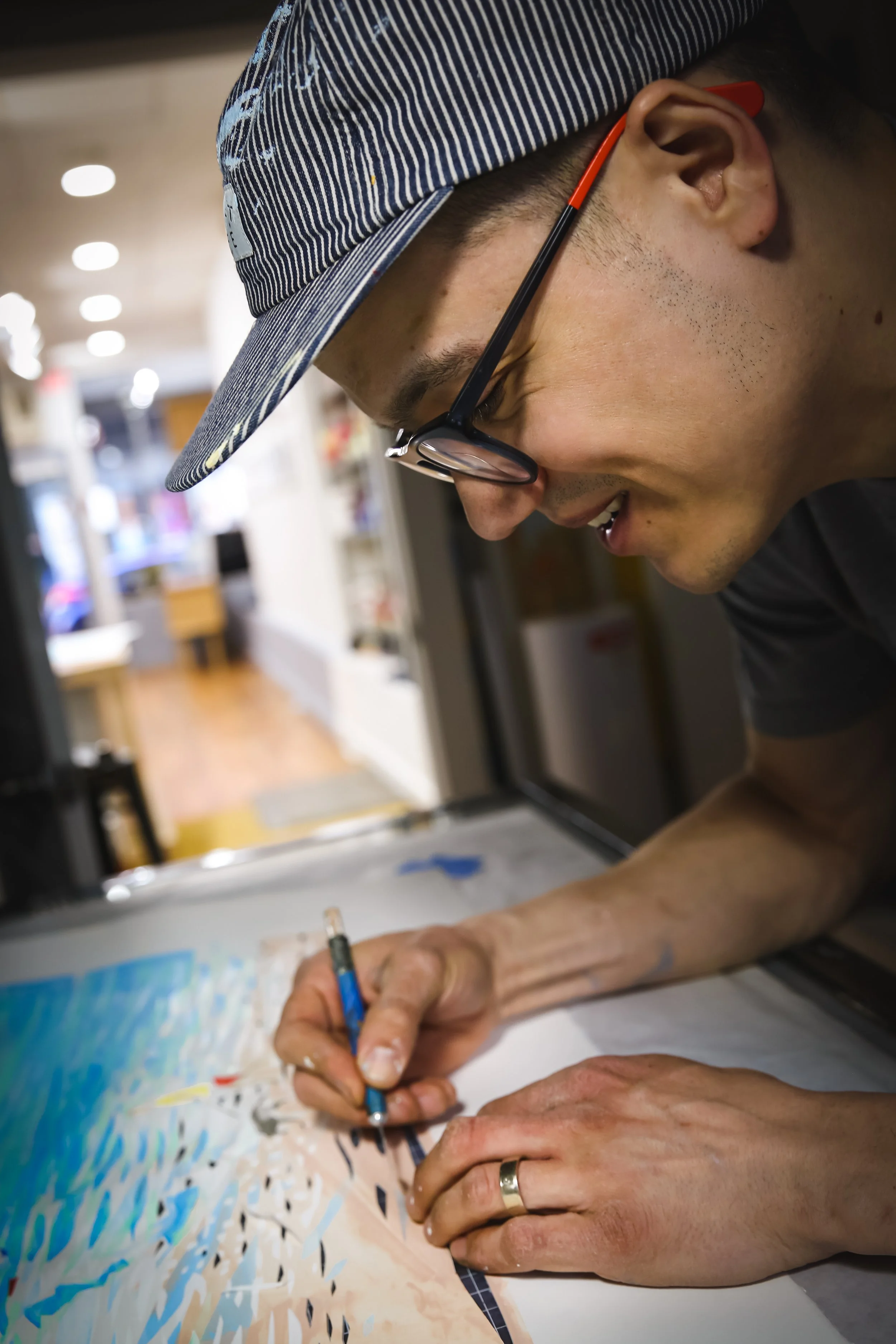
That legacy carries into the works on view. Shawn Humes presents whimsical oil paintings that emphasize lightness and imagination. Arvay Adams brings a sense of nostalgia through vintage-inspired mixed media, incorporating a custom chainstitched patch that adds both texture and a handcrafted quality. Ricardo Roig offers a striking contrast with his hand-cut screen prints, where precision and bold composition redefine the form of the sailboat.
Together, these works reflect not only the beauty of sailboats themselves, but also the many ways artists can reinterpret a familiar subject through their own distinct visual language.
GREENS & YELLOWS
GREENS & YELLOWS
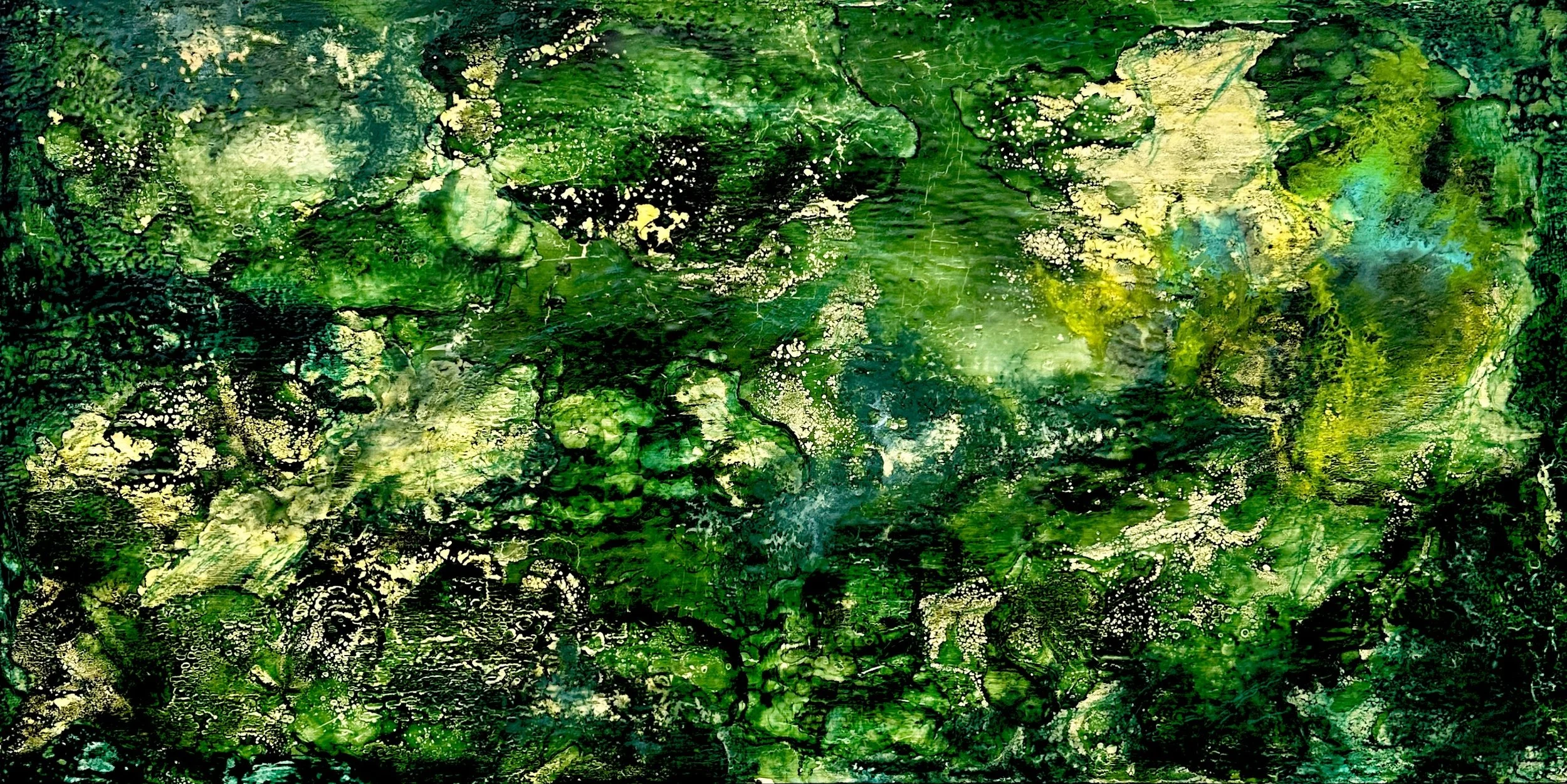
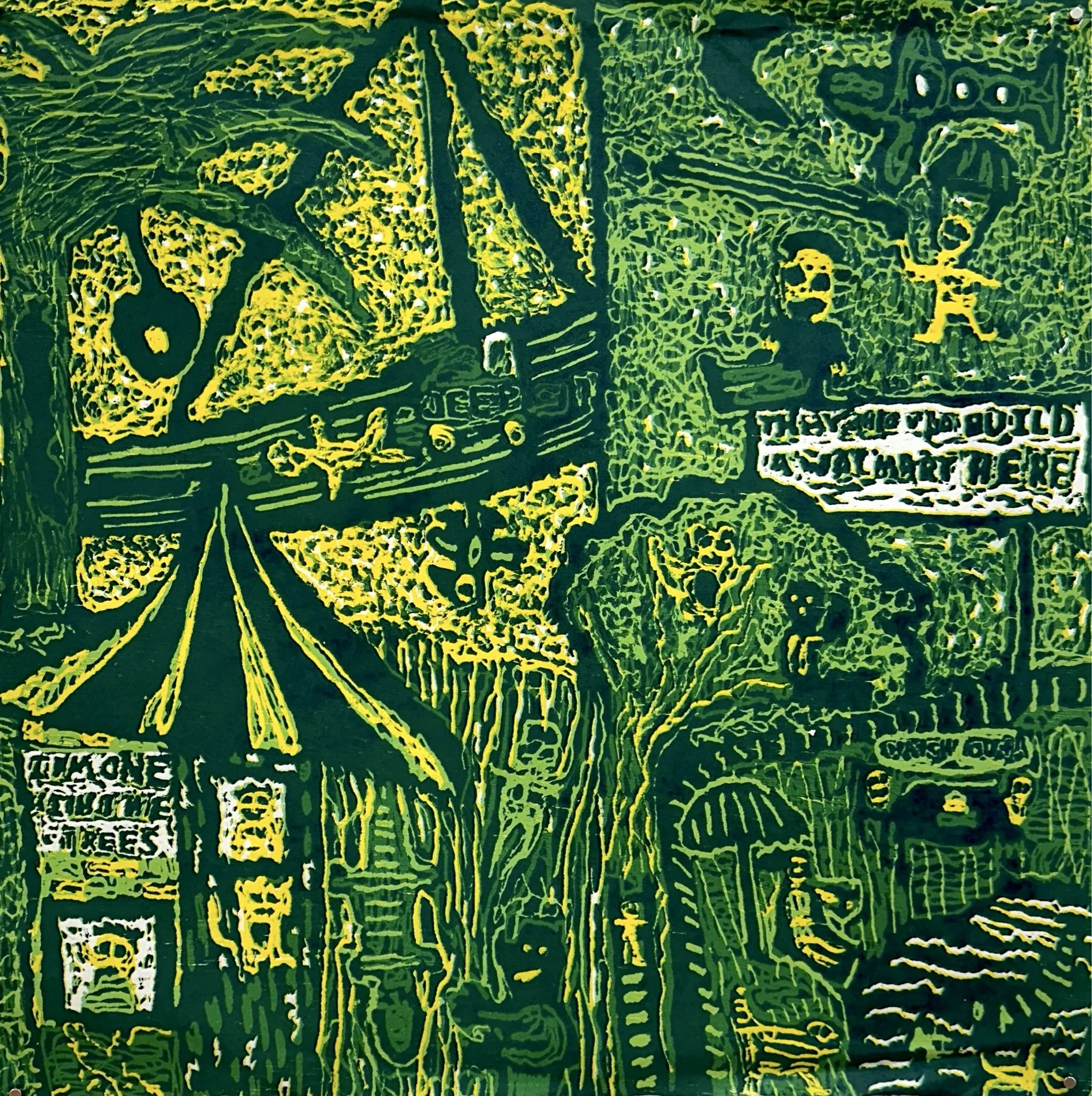
Across this section, artists explore the interplay of greens and yellows to create works that range from atmospheric to narrative, each shaped by a distinct personal approach.
Justin Winkel uses green ink and encaustic to form a whimsical interpretation of a lily pond, where layered textures and fluid marks evoke both movement and stillness within a natural setting. In contrast, Tracey Halvorsen’s figurative works draw from historical references, using green backgrounds and yellow garments to create a rich visual tension that feels both classical and reimagined. Casey White approaches the palette with a sense of humor, employing greens and yellows in dreamy, vivid woodblock prints that balance playfulness with bold graphic clarity.
Together, these works demonstrate how a shared palette can produce vastly different outcomes, shaped by material, subject, and intention.

DIGITALLY CREATED
DIGITALLY CREATED
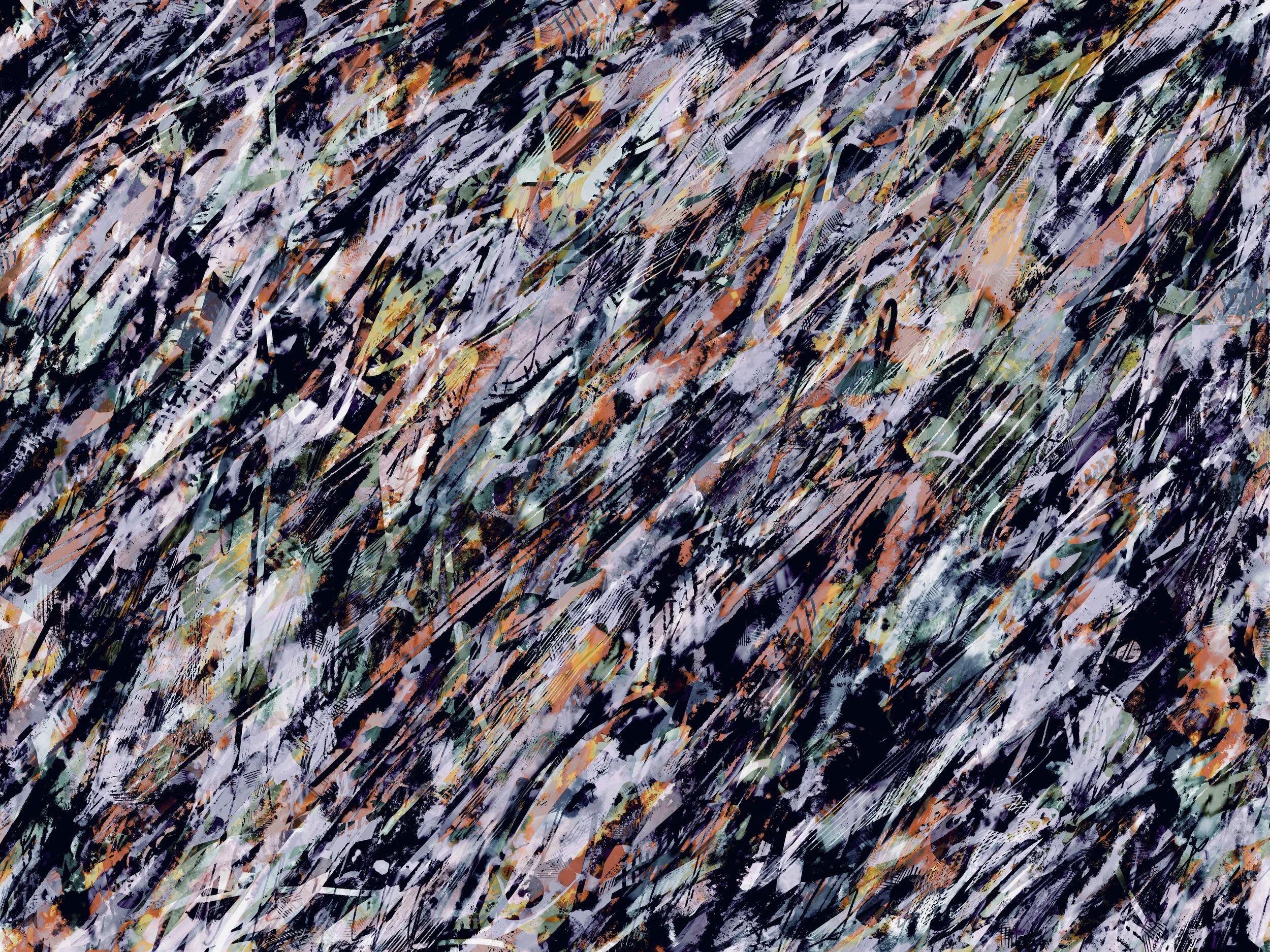
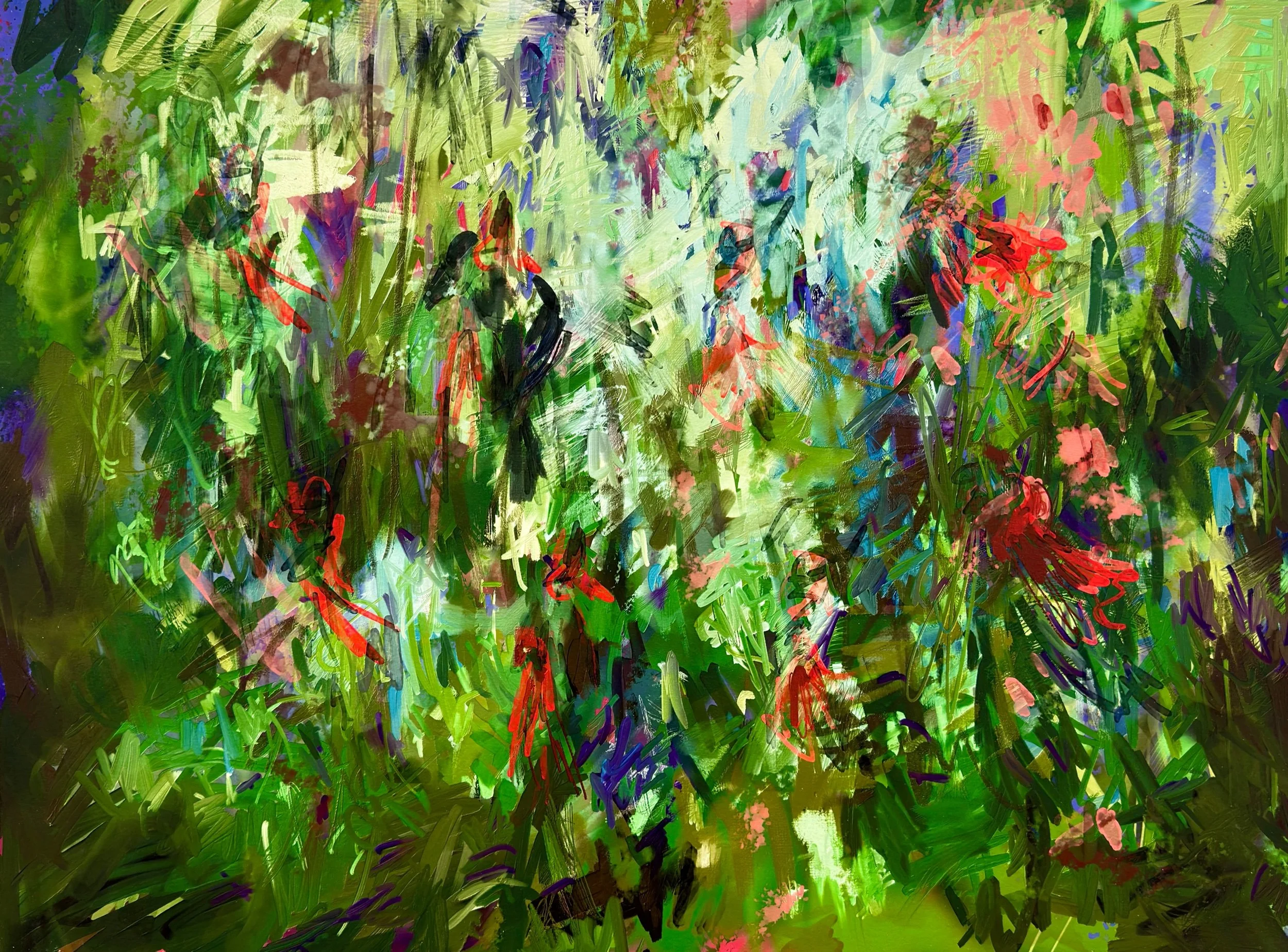
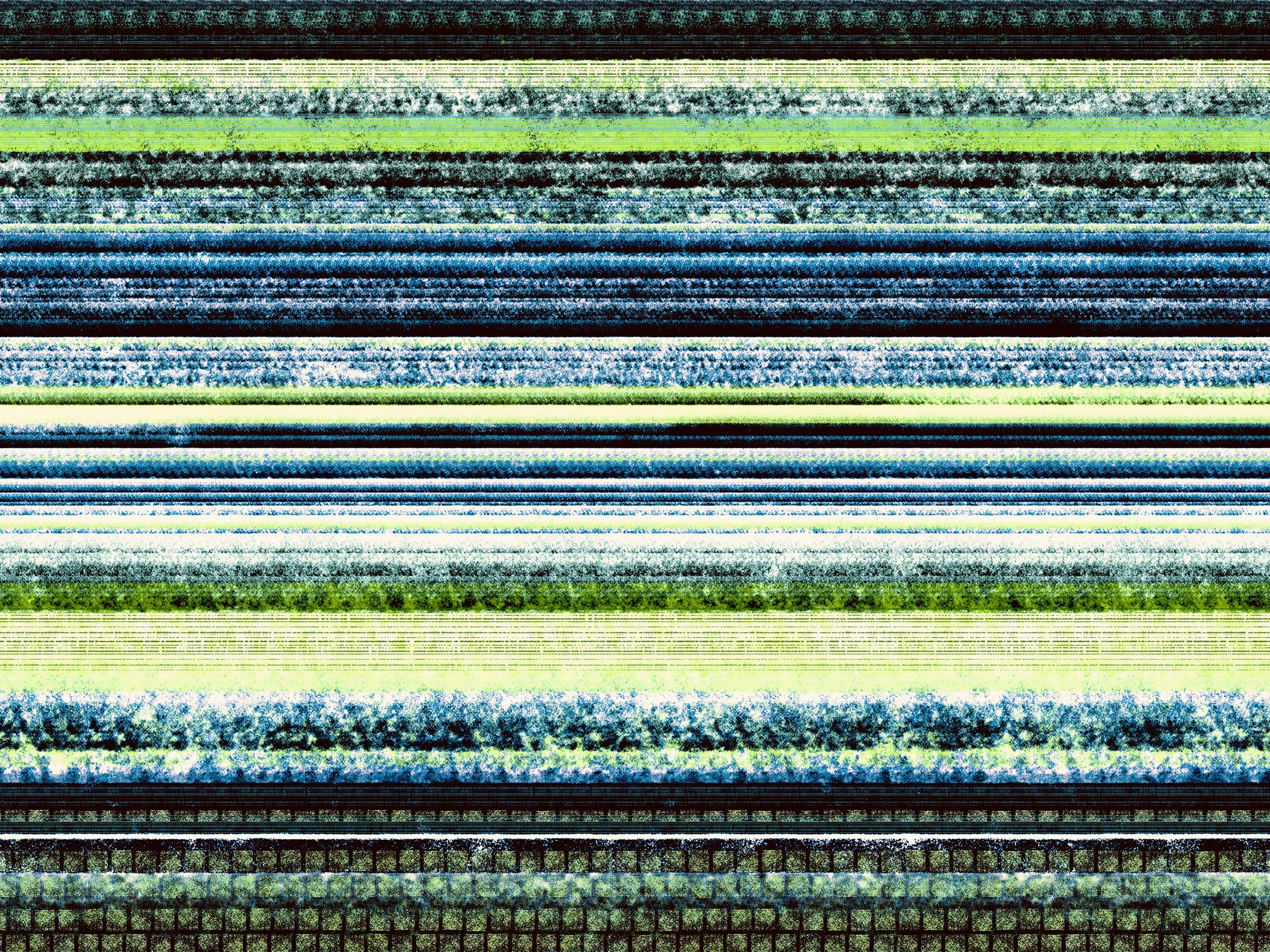
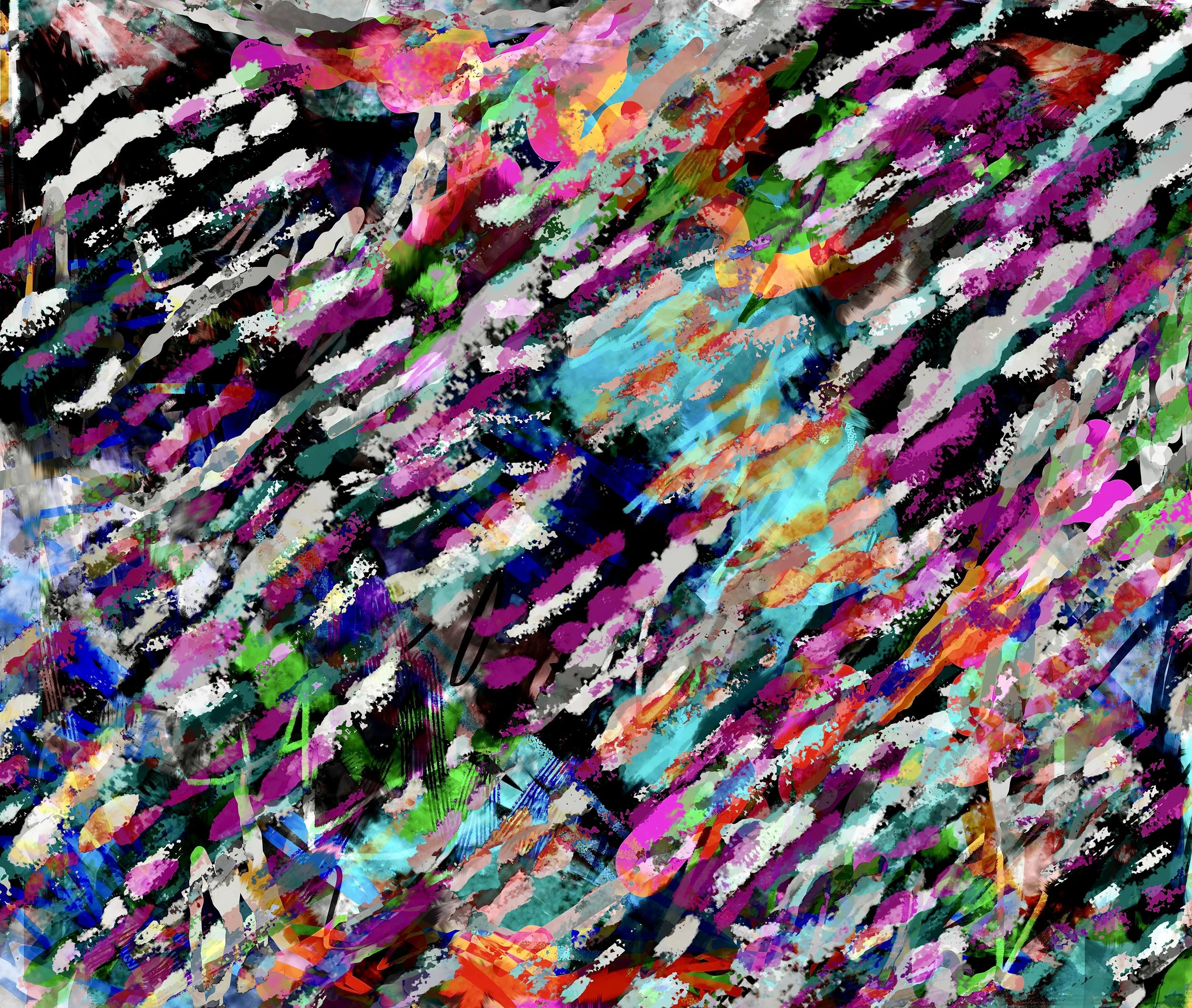
All works in this section are digital paintings, created using software such as Adobe Fresco and printed onto high-quality archival paper. Rather than using a traditional paintbrush, the artists work with a stylus, drawing and painting directly by hand on a digital surface. Every mark is intentional and physically made by the artist, emphasizing that these works are not generated, but crafted through a different set of tools. The intention remains the same: to produce a finished artwork meant to be experienced in its physical form.
Justin Winkel has been developing digital works for some time, while the piece presented here marks Tracey Halvorsen’s first exploration into digital painting. Despite differing levels of familiarity with the medium, both artists demonstrate how digital tools can be used to create compelling and fully realized images.
These works align closely with the tradition of printmaking. Each image is created digitally and produced as a limited edition, maintaining consistency in size, paper, and printing process. Much like photography, the print is not a reproduction of something else, but the intended final form of the artwork.
This distinction is important. Unlike reproduction prints, which are derived from pre-existing physical works, digital paintings do not begin as objects on canvas or paper. The image originates digitally and is brought into the physical world through the print itself, making each editioned piece an original within its series.
In this way, the difference between working on canvas and working on an iPad lies in the tools, not in the legitimacy or outcome of the work. The result is a direct translation of the artist’s hand and vision, realized through a contemporary process.

FIREFLIES
FIREFLIES
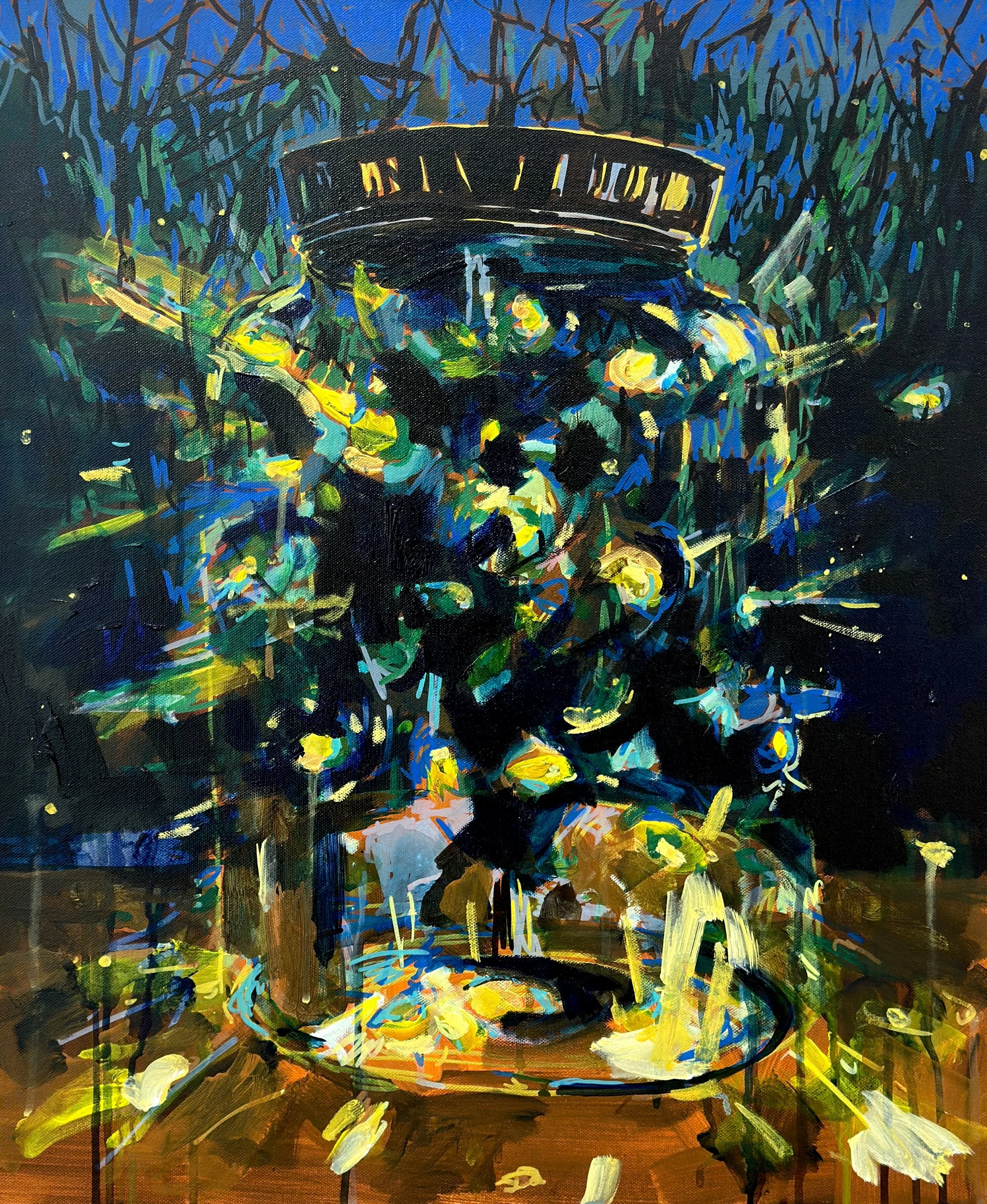
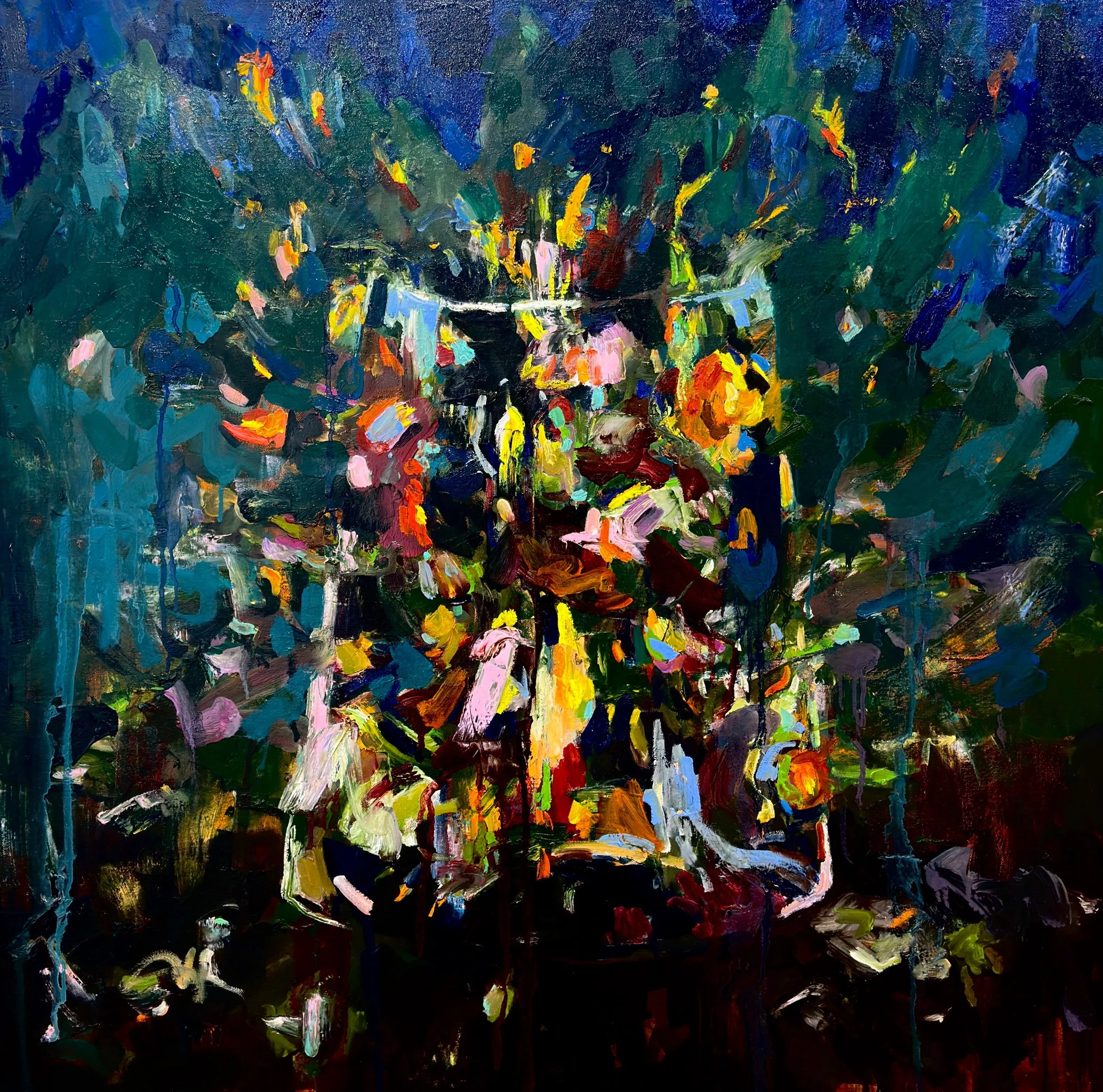
In this section, Tracey Halvorsen draws viewers into a quiet, nostalgic moment rooted in childhood memory. Inspired by the simple act of catching fireflies, her work reflects a sense of wonder, connection, and the fleeting nature of time. As she describes it, “I’ve been inspired by the idea of fireflies in a jar, something I deeply associate with childhood, magic, nature, and connection.”
Though centered on a single subject, the two works on view offer distinctly different experiences. The larger painting, built up with thick, textured oils, feels immersive and atmospheric, echoing the vastness of an evening sky filled with light. In contrast, the smaller piece invites a more intimate encounter. Its scale draws the viewer closer, where the emotion feels concentrated and immediate, like a sudden flash of memory.
Together, these works show how scale and material can shift not only how we see an image, but how we feel it. What begins as a shared subject becomes two separate reflections on memory, each capturing a different sense of childhood wonder.
MUSIC TO OUR EARS
MUSIC TO OUR EARS
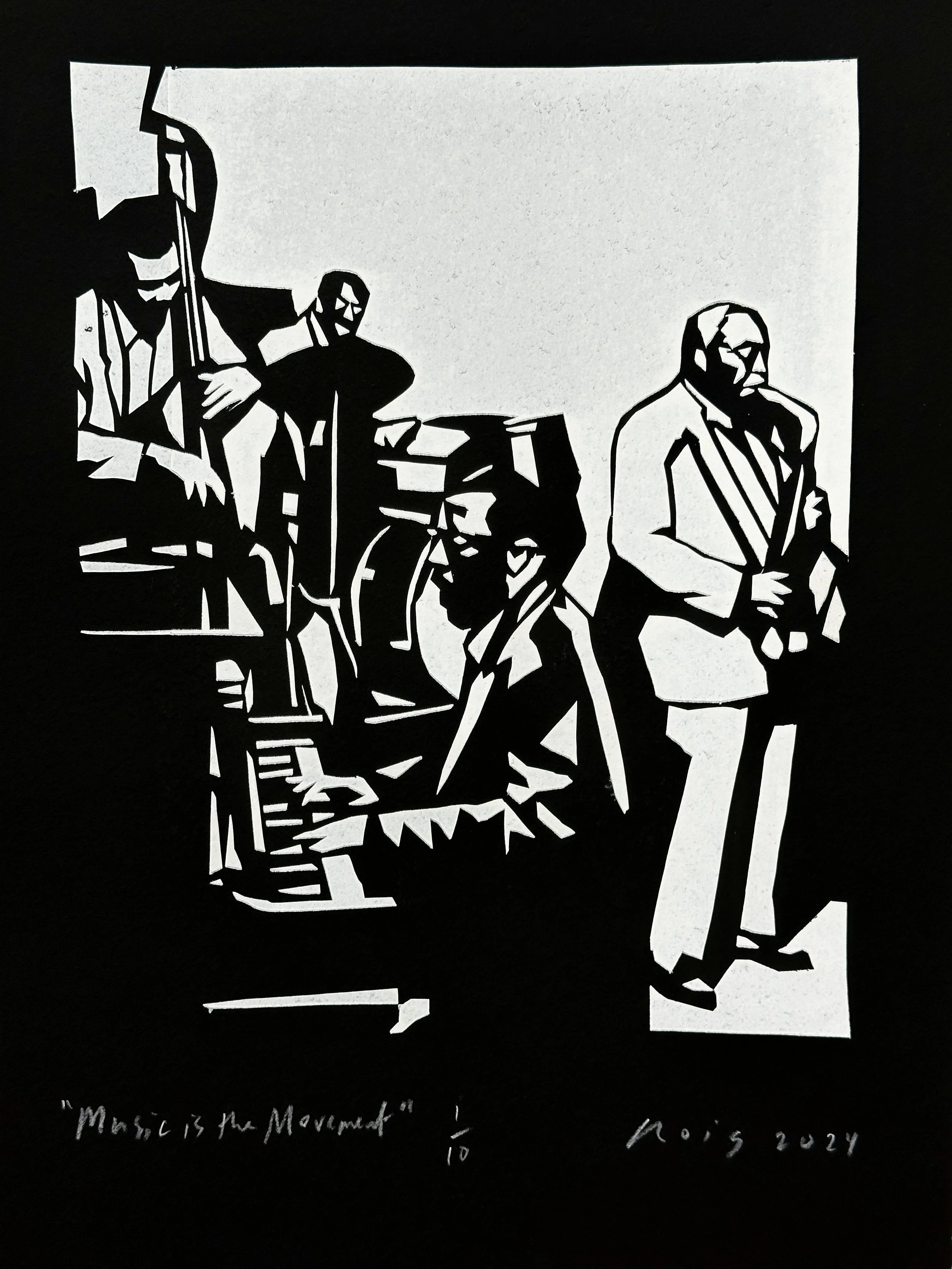
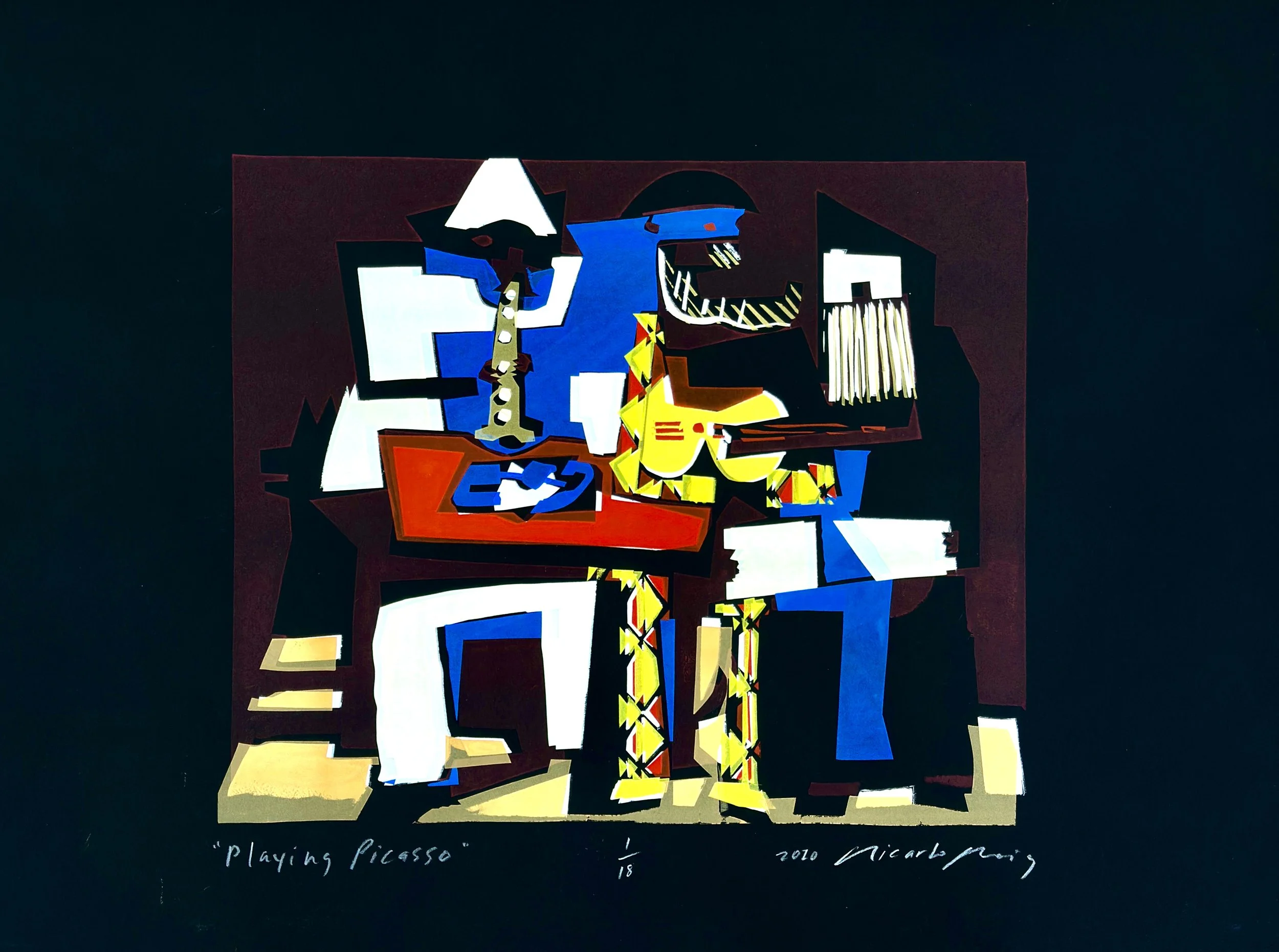
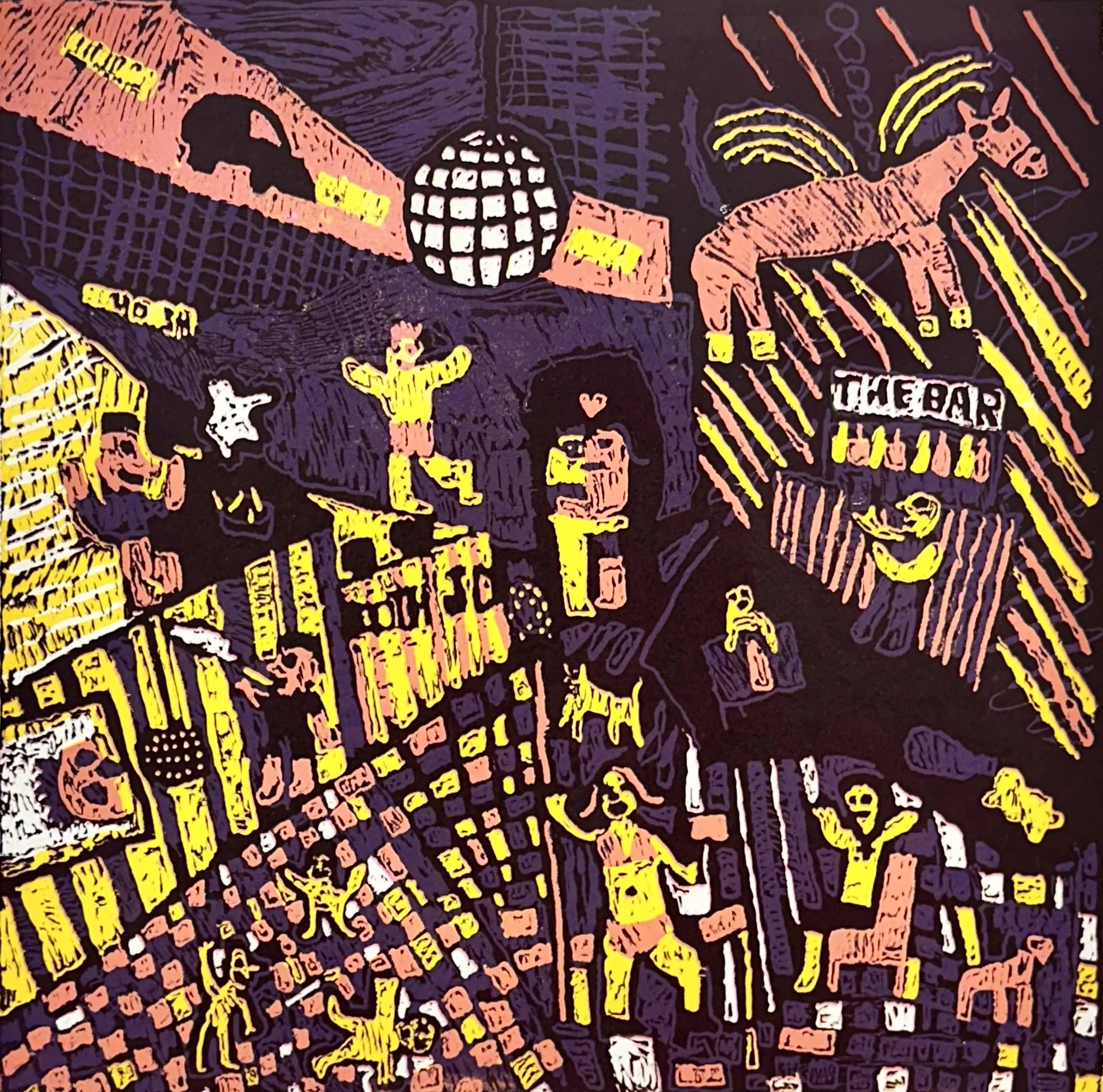
This section is united by a single, universal theme: music. It is something we all connect to in deeply personal ways. We have favorite artists, favorite songs, and memories tied to specific moments and concerts. Music has the ability to timestamp our lives, embedding itself into our experiences and emotions.
At the center of the space, a record player with a selection of handpicked albums invites you to engage more deeply with the work. This section is meant to be a sensory experience. Rather than only viewing the artwork, you are encouraged to listen as well, allowing the music to shape your perception and potentially change the way you experience what is in front of you. We have paired albums to each artwork & section to enhance the viewing experience
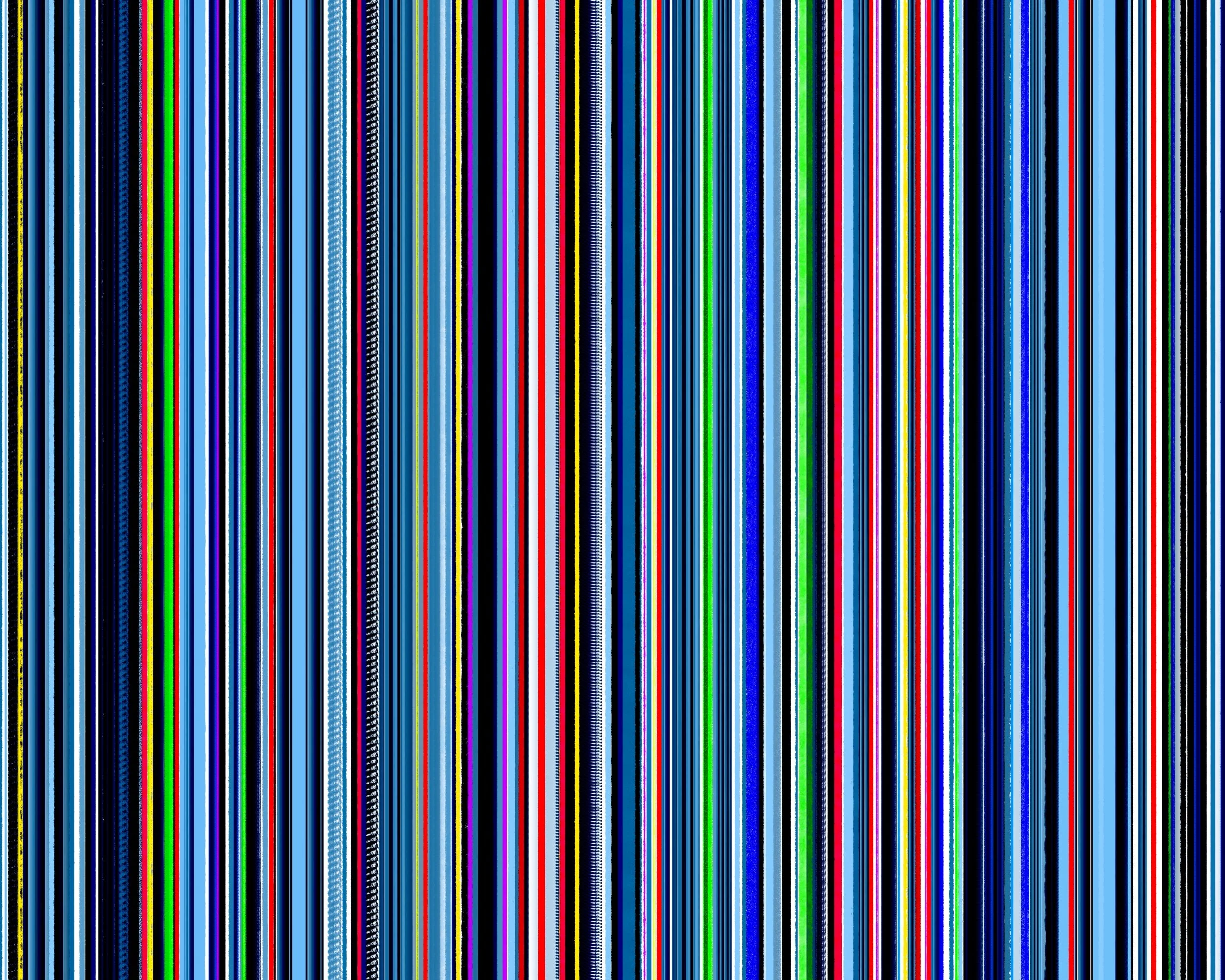
Featuring works by Casey White, Ricardo Roig, and Justin Winkel, this section presents a range of interpretations, each shaped by the artist’s individual style and perspective. Casey White’s playful woodblock print captures the energy of how music can bring a space to life, translating sound into movement and atmosphere. Ricardo Roig’s work approaches music through his signature hand-cut screenprinting process, using layered imagery and bold composition to echo rhythm and structure. Justin Winkel’s digital painting draws from the more technical side of music, referencing sheet music, wavelengths, and sound visualization, offering yet another perspective on how music can influence mood, color, and visual flow.
SCULPTURES
SCULPTURES
Sculpture takes many forms, and the works in this section highlight the breadth of the medium. While united by their three-dimensional presence, each artist approaches sculpture through distinct materials, techniques, and spatial considerations.
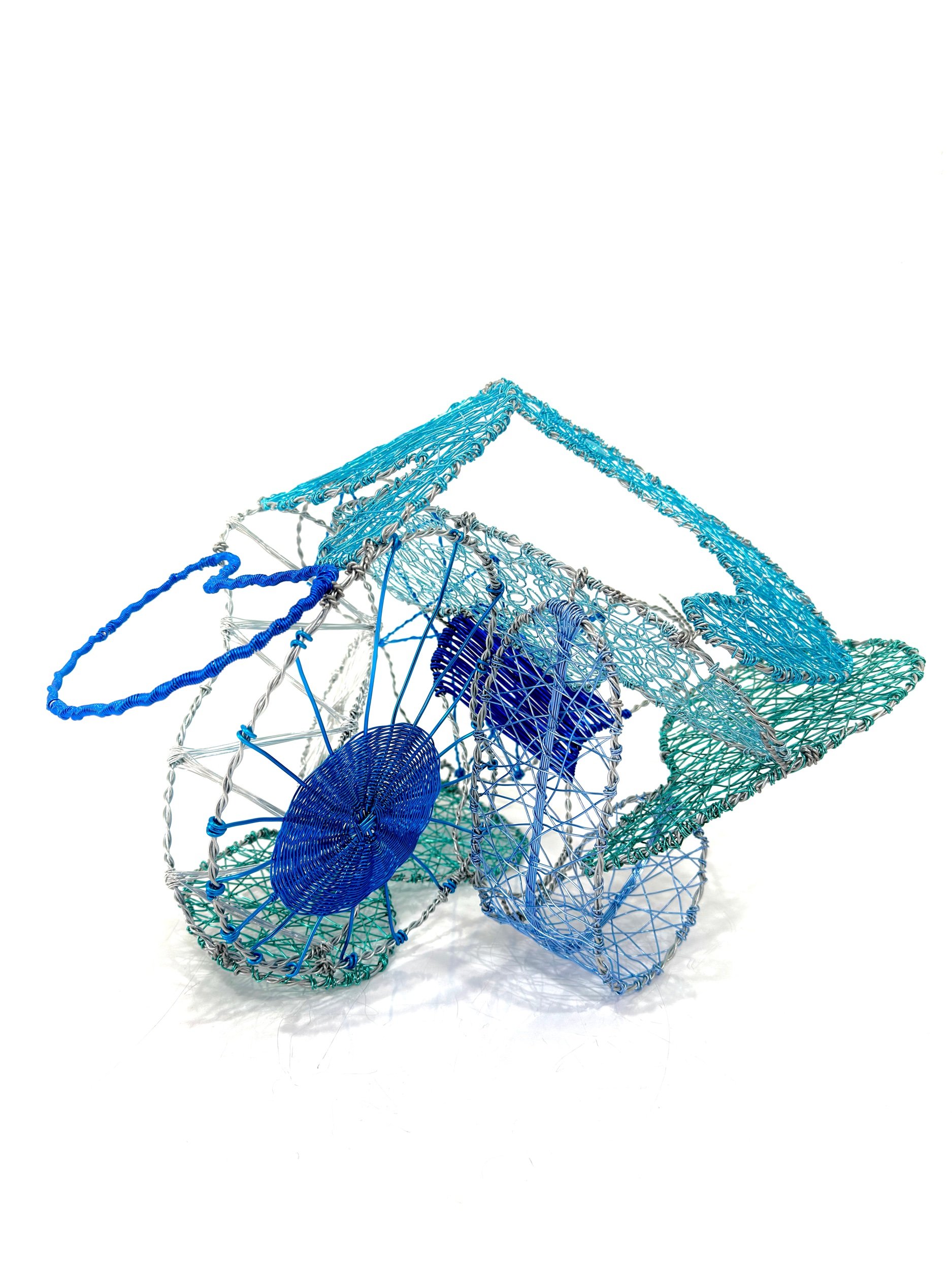
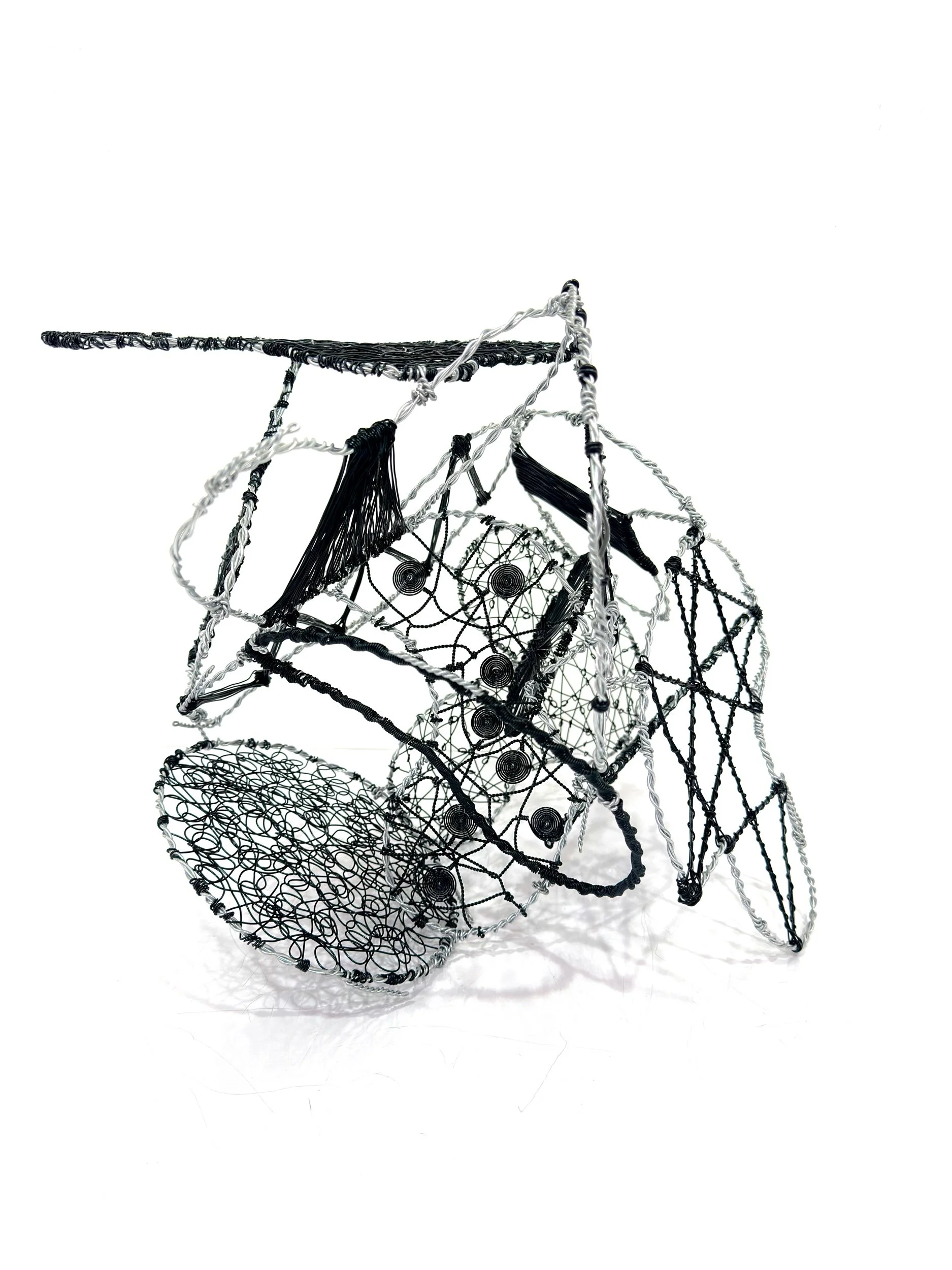
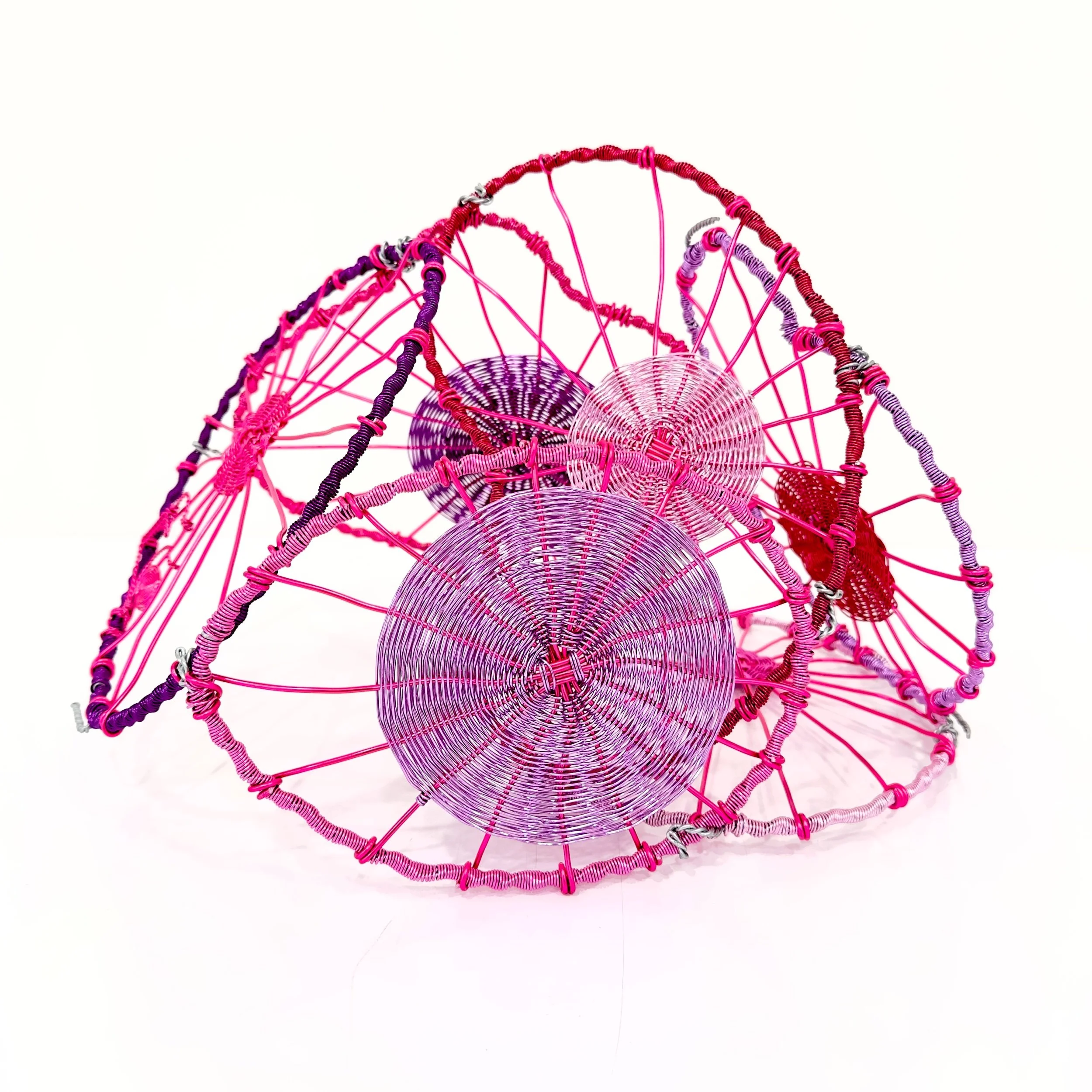
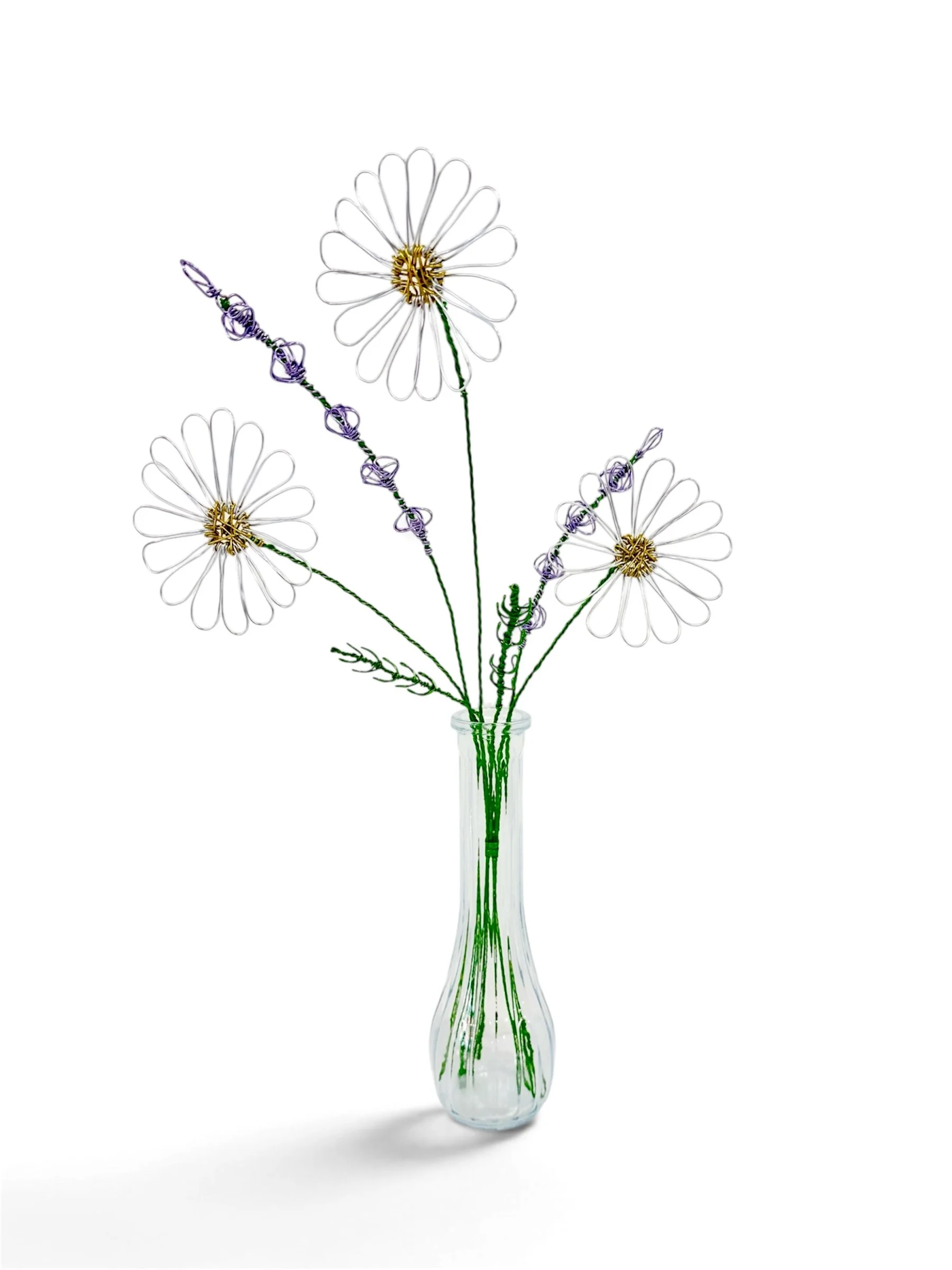
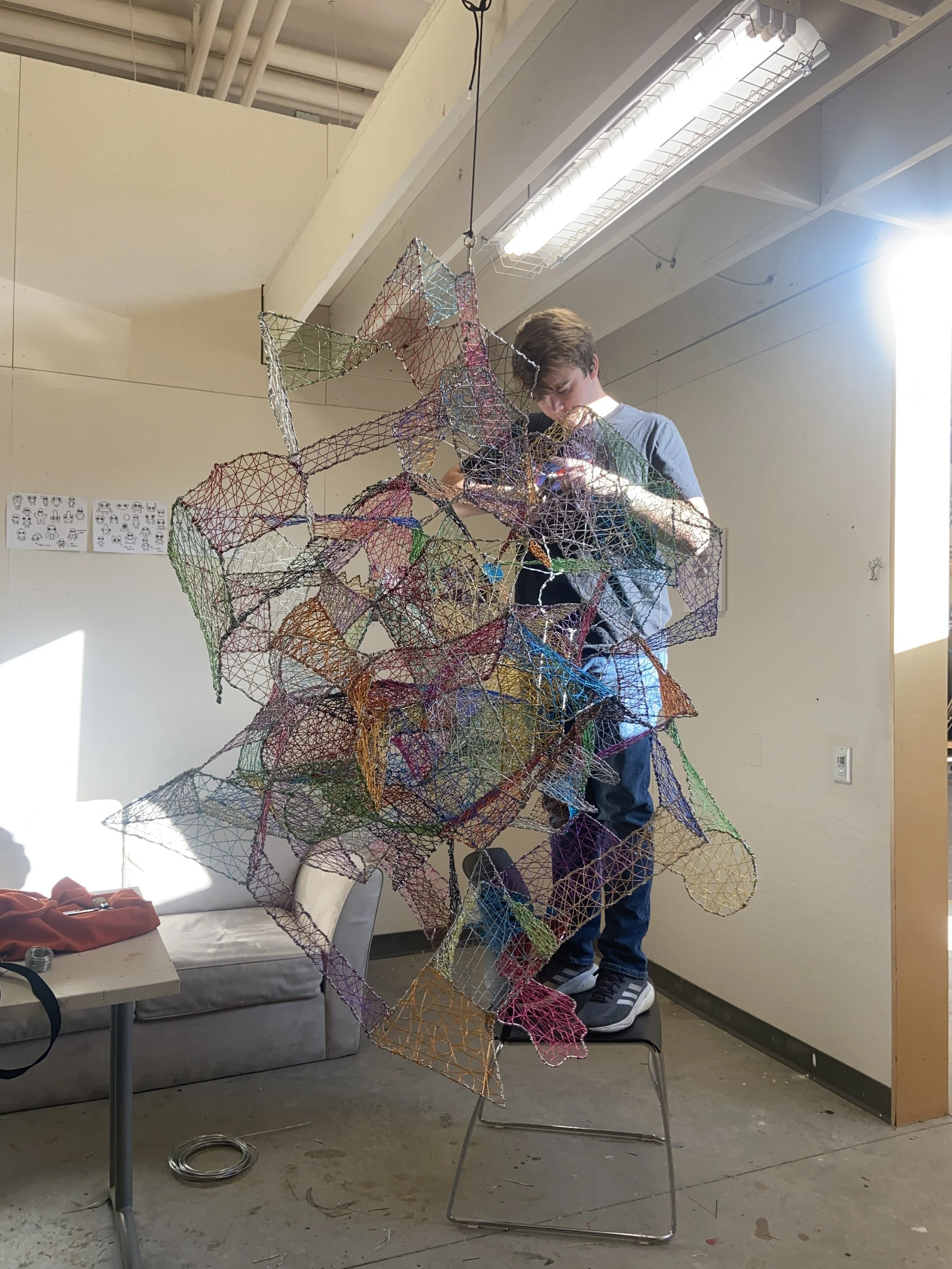
Federico Gauna works with galvanized wire, bending and manipulating it into intricate, interlocking patterns. His process transforms an industrial material into something fluid and dynamic, balancing structure and movement. His sculptures are also highly versatile, able to hang on a wall, suspend from the ceiling, or rest on a table or pedestal, constantly shifting how they interact with space.
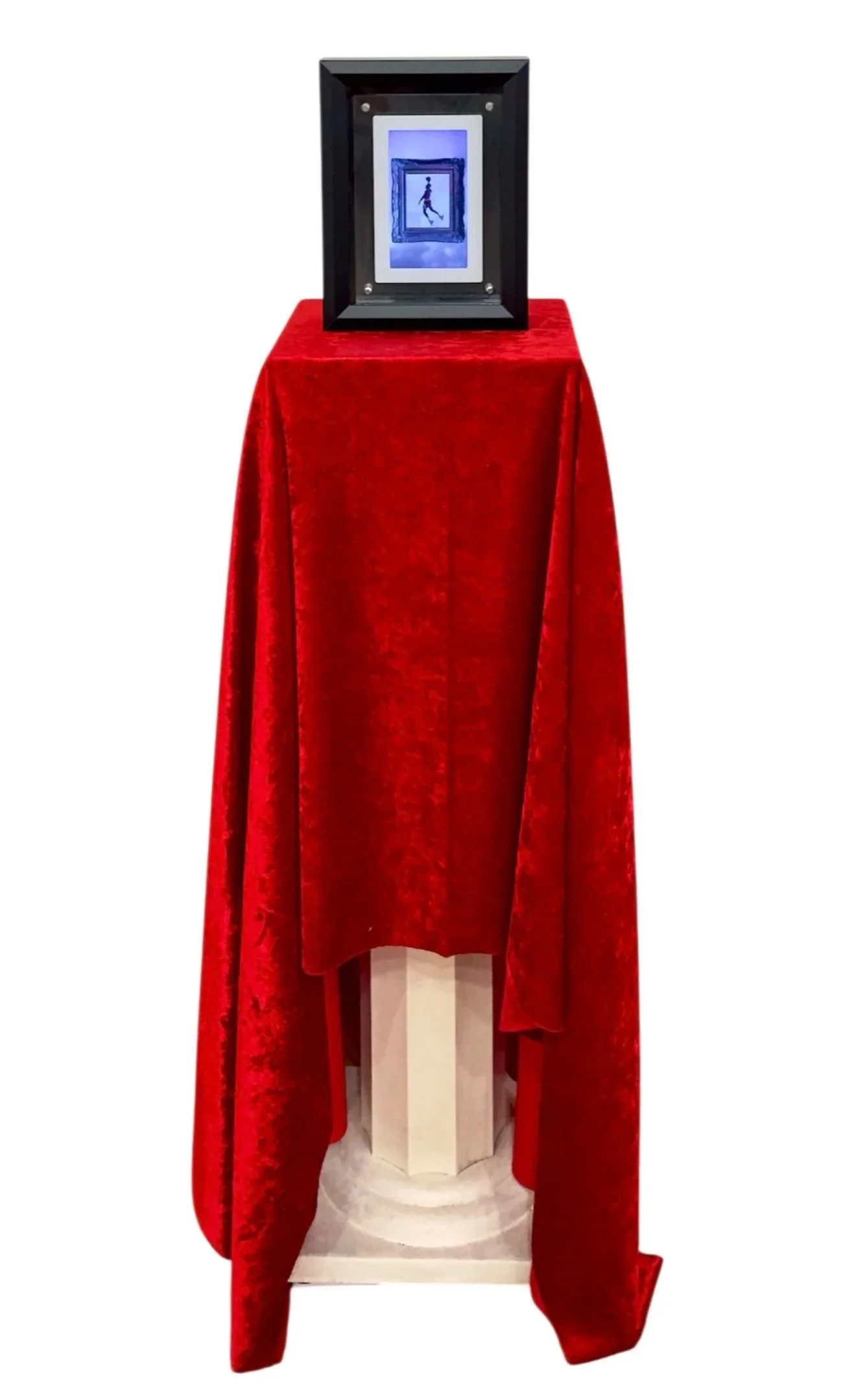
Arvay Adams combines digital imagery with found objects to create a unified sculptural form. He begins by drawing and digitally editing an image, which is then set into a continuous loop. The work is enclosed within an acrylic box and frame and presented on a red velvet-covered pedestal, bringing together digital art, object-making, and conceptual practice into a single piece.
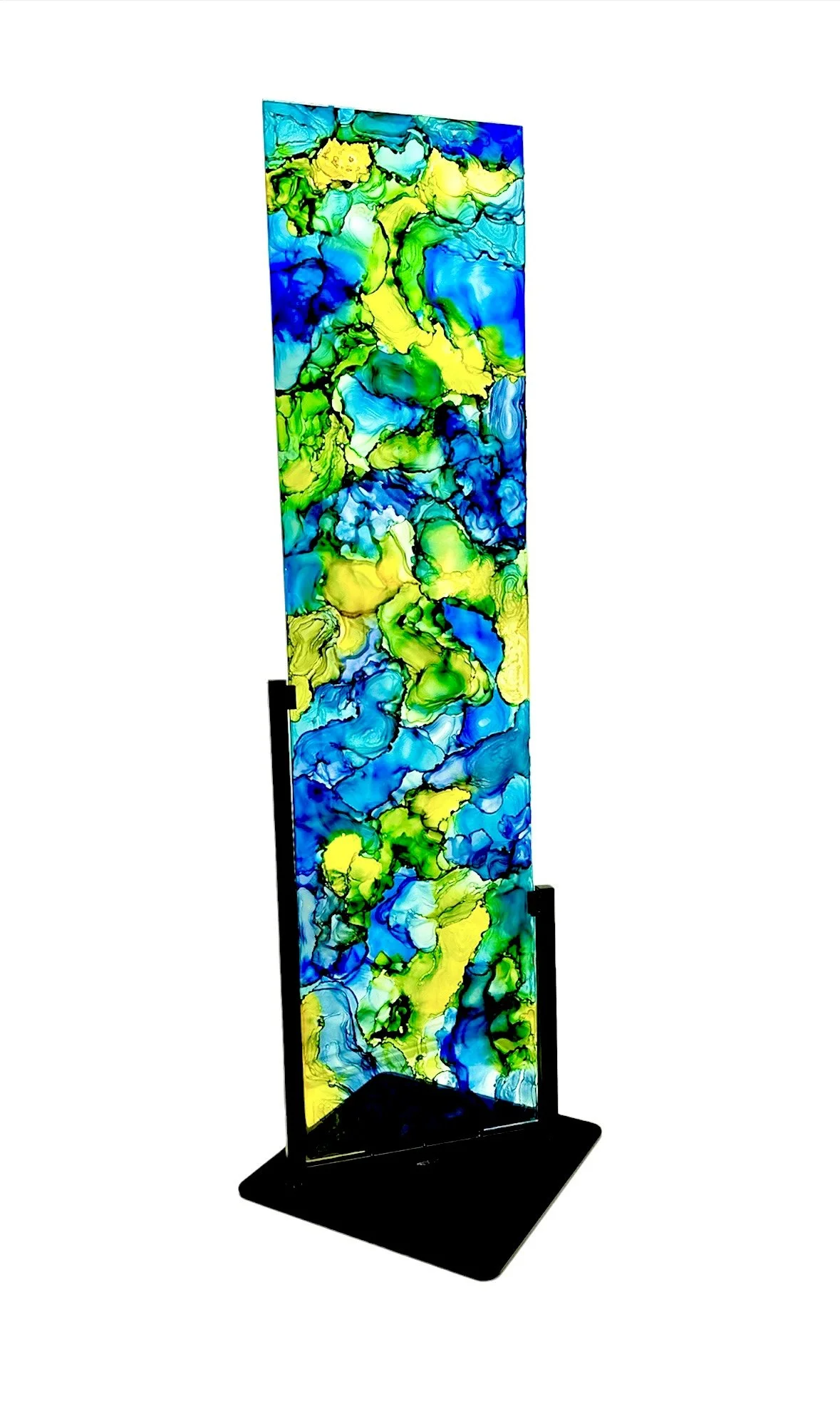
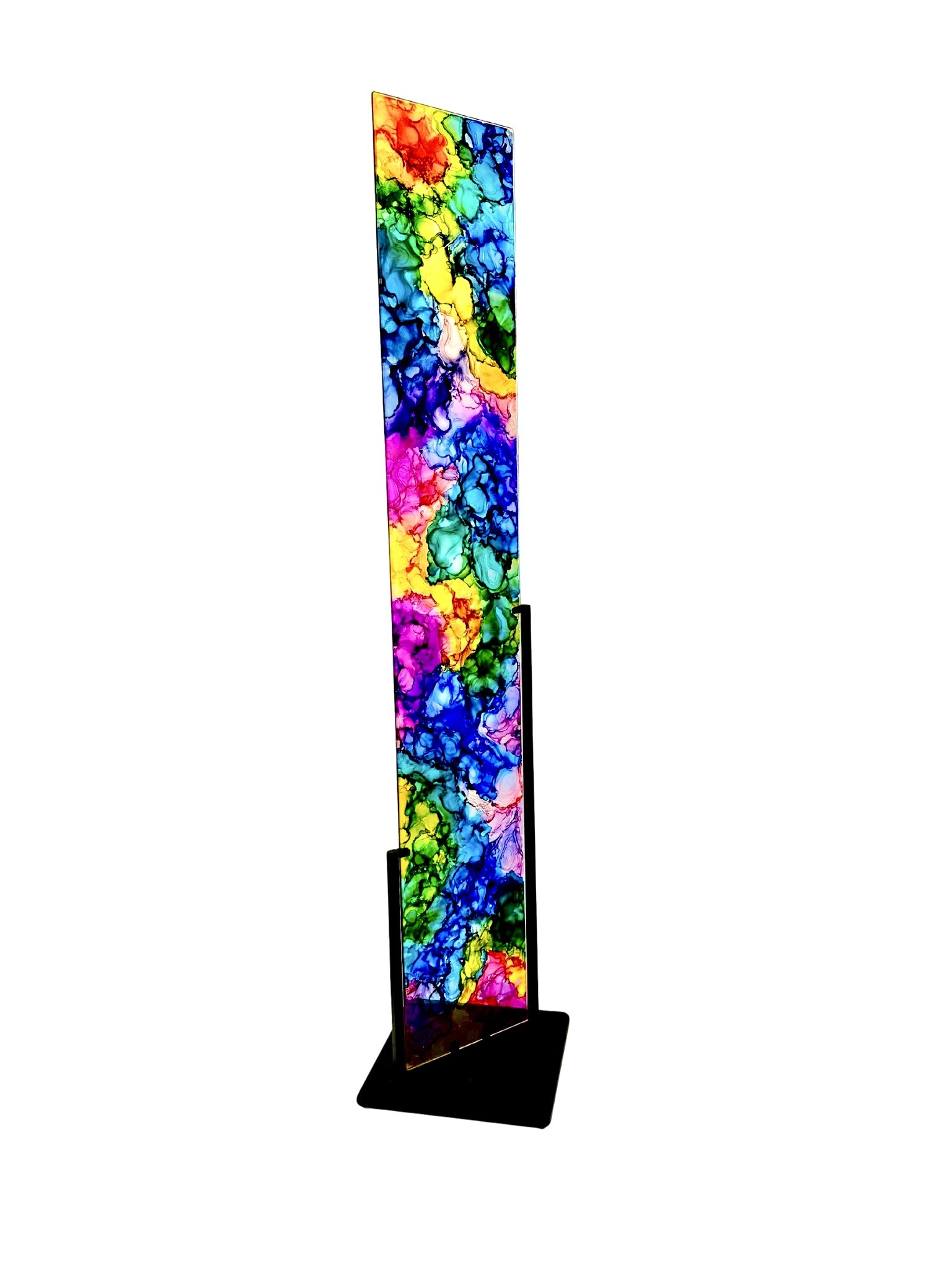
In contrast, Justin Winkel’s glass sculptures engage the viewer through scale, color, and light. He paints directly onto the glass using dye-based ink, then seals the surface in a glass-like finish, creating a single unified form while preserving the integrity of the image. These floor-based works occupy space more directly, with translucent surfaces that allow light to pass through and cast reflections onto surrounding walls and floors. The result is an ever-changing visual experience that responds to its environment.
Though these works differ greatly in material and presentation, together they demonstrate the range of what sculpture can be, from delicate linear constructions to bold, immersive forms that actively shape the space around them.
Artists Included
-
![Person standing in an art gallery with abstract paintings on the wall. The individual wears a white shirt and blue pants.]()
Justin Winkel
-
![Person sitting in front of an abstract yellow and black painting]()
Tracey Halvorsen
-
![Artist standing next to an easel with portraits, giving a thumbs-up]()
Shawn Humes
-
![]()
Federico Gauna
-
![]()
Ricardo Roig
-
![]()
Casey White
-
![]()
Arvay Adams



AVAILABLE WORKS
AVAILABLE WORKS